Buy mad.co.at ?
We are moving the project
mad.co.at .
Are you interested in purchasing the domain
mad.co.at ?
domain@kv-gmbh.de · 0541-91531010
Buy mad.co.at ?
How can one produce carbon monoxide (CO) oneself?
One can produce carbon monoxide (CO) by burning carbon-containing fuels in a limited supply of oxygen. This incomplete combustion process can occur in a variety of ways, such as using a gas stove without proper ventilation or running a car engine in a closed garage. It is important to note that carbon monoxide is a toxic gas and can be deadly in high concentrations, so it is crucial to take precautions to prevent its production and exposure. **
How can the compound carbon monoxide (CO) exist?
Carbon monoxide (CO) can exist as a compound because carbon and oxygen can form a covalent bond. In this bond, the carbon atom shares one of its electrons with the oxygen atom, creating a stable molecule. This allows carbon monoxide to exist as a colorless, odorless gas at room temperature. The bond between carbon and oxygen is strong enough to hold the atoms together, but not as strong as the bonds in carbon dioxide (CO2) or carbon (C) itself. **
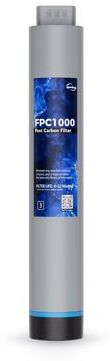
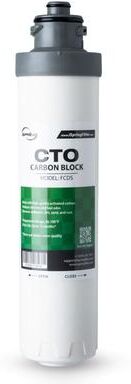
Similar search terms for ISpring-FPC1000-Carbon-Block
Top-Angebote
Products related to ISpring-FPC1000-Carbon-Block:
-
iSpring FC15BX4 5 Micron Carbon Block Filter Cartridges, 4-Pack"Using quality coconut shell carbon and highly compact fabrication tech, this activated carbon block CTO(Chlorine, Taste, and Odor) filter cartridge is designed and produced to achieve filtration efficiency and long filter life for 10"" Whole House and…"149,99 $*Shipping: 0,00 $Secure redirect to the provider
-
iSpring CKC2 2-Stage Countertop Water Filtration Dispenser System- Includes Activated Carbon and Carbon Block FiltersProduces great tasting drinking water filtered right from your kitchen tap; Effectively reduces sediment, chlorine, and more by letting water pass through the countertop water filter No hassle faucet adapter makes installation and removal a breeze;…69,99 $*Shipping: 0,00 $Secure redirect to the provider
-
iSpring F5DS 1-Year Replacement Filter Cartridge Set for DS4B & DS4S, Sediment, Composite, Carbon Block and Post Carbon FiltersEfficient Filtration: iSpring F5DS replacement pack includes 5 filters: 2 sediment, 1 composite, 1 carbon block, 1 post-carbon. These reduce dust, odors, and enhance water taste90,86 $*Shipping: 0,00 $Secure redirect to the provider


-
How can one produce carbon monoxide (CO) by themselves?
One can produce carbon monoxide (CO) by themselves through incomplete combustion of carbon-containing materials such as wood, coal, or gasoline. This can be achieved by burning these materials in a limited supply of oxygen, which prevents complete oxidation and results in the formation of CO. However, it is important to note that producing CO in an uncontrolled environment can be extremely dangerous as it is a toxic gas. It is recommended to avoid intentionally producing CO and to always ensure proper ventilation when burning carbon-containing materials. **
-
Is carbon the same as carbon fiber?
No, carbon and carbon fiber are not the same. Carbon is a chemical element with the symbol C and atomic number 6, while carbon fiber is a material made of thin fibers composed mostly of carbon atoms. Carbon fiber is a lightweight and strong material commonly used in aerospace, automotive, and sporting goods industries, while carbon in its elemental form has various uses in different industries. **
-
What are non-aromatic carbon-carbon bonds?
Non-aromatic carbon-carbon bonds are simply carbon-carbon bonds that do not participate in aromaticity. Aromaticity refers to a special type of bonding in organic molecules that results in increased stability and unique reactivity. Non-aromatic carbon-carbon bonds can be found in a wide range of organic compounds and can exhibit different types of reactivity and properties depending on their specific chemical environment. These bonds can be found in aliphatic hydrocarbons, such as alkanes and alkenes, as well as in many other organic molecules. **
-
What is the amount of substance n of carbon monoxide (CO)?
The amount of substance n of carbon monoxide (CO) is typically measured in moles. One mole of any substance contains approximately 6.022 x 10^23 molecules. To determine the amount of substance n of carbon monoxide, one would need to know the mass of the sample and its molar mass, which is approximately 28.01 g/mol for CO. By dividing the mass of the sample by the molar mass of CO, one can calculate the amount of substance n in moles. **

Is carbon and carbon fiber the same thing?
No, carbon and carbon fiber are not the same thing. Carbon is a chemical element with the symbol C and atomic number 6, while carbon fiber is a material made of thin strands of carbon woven together. Carbon fiber is a composite material that is known for its high strength-to-weight ratio and is commonly used in aerospace, automotive, and sporting goods industries. **
What are the differences between Carbon 12 and Carbon 14?
Carbon 12 and Carbon 14 are isotopes of carbon with different atomic masses. Carbon 12 has 6 protons and 6 neutrons, while Carbon 14 has 6 protons and 8 neutrons. Carbon 12 is stable and makes up the majority of carbon found in nature, while Carbon 14 is radioactive and is used in radiocarbon dating to determine the age of organic materials. The presence of Carbon 14 in an object can help scientists estimate its age up to around 50,000 years. **
Top-Angebote
Products related to ISpring-FPC1000-Carbon-Block:
-
iSpring FPC1000 Carbon Block Filter for RO1000 SystemA Specialized Last-Stage Carbon Block Filter for the iSpring RO1000 Tankless Reverse Osmosis System - Tool-Free Filter Replacement. Made with a premium coconut shell activated carbon block.62,49 $*Shipping: 0,00 $Secure redirect to the provider
-
iSpring FCDS Carbon Block CTO Replacement FilterMOST IMPURITIES REDUCTION - By eliminating chlorine and other hazardous industrial pollutants from your house, our 3rd stage Carbon block filters provide you water without fear of contamination.27,64 $*Shipping: 0,00 $Secure redirect to the provider
-
iSpring FC15BX4 5 Micron Carbon Block Filter Cartridges, 4-Pack"Using quality coconut shell carbon and highly compact fabrication tech, this activated carbon block CTO(Chlorine, Taste, and Odor) filter cartridge is designed and produced to achieve filtration efficiency and long filter life for 10"" Whole House and…"149,99 $*Shipping: 0,00 $Secure redirect to the provider
-
How can one produce carbon monoxide (CO) oneself?
One can produce carbon monoxide (CO) by burning carbon-containing fuels in a limited supply of oxygen. This incomplete combustion process can occur in a variety of ways, such as using a gas stove without proper ventilation or running a car engine in a closed garage. It is important to note that carbon monoxide is a toxic gas and can be deadly in high concentrations, so it is crucial to take precautions to prevent its production and exposure. **
-
How can the compound carbon monoxide (CO) exist?
Carbon monoxide (CO) can exist as a compound because carbon and oxygen can form a covalent bond. In this bond, the carbon atom shares one of its electrons with the oxygen atom, creating a stable molecule. This allows carbon monoxide to exist as a colorless, odorless gas at room temperature. The bond between carbon and oxygen is strong enough to hold the atoms together, but not as strong as the bonds in carbon dioxide (CO2) or carbon (C) itself. **
-
How can one produce carbon monoxide (CO) by themselves?
One can produce carbon monoxide (CO) by themselves through incomplete combustion of carbon-containing materials such as wood, coal, or gasoline. This can be achieved by burning these materials in a limited supply of oxygen, which prevents complete oxidation and results in the formation of CO. However, it is important to note that producing CO in an uncontrolled environment can be extremely dangerous as it is a toxic gas. It is recommended to avoid intentionally producing CO and to always ensure proper ventilation when burning carbon-containing materials. **
-
Is carbon the same as carbon fiber?
No, carbon and carbon fiber are not the same. Carbon is a chemical element with the symbol C and atomic number 6, while carbon fiber is a material made of thin fibers composed mostly of carbon atoms. Carbon fiber is a lightweight and strong material commonly used in aerospace, automotive, and sporting goods industries, while carbon in its elemental form has various uses in different industries. **
Similar search terms for ISpring-FPC1000-Carbon-Block
-
iSpring CKC2 2-Stage Countertop Water Filtration Dispenser System- Includes Activated Carbon and Carbon Block FiltersProduces great tasting drinking water filtered right from your kitchen tap; Effectively reduces sediment, chlorine, and more by letting water pass through the countertop water filter No hassle faucet adapter makes installation and removal a breeze;…69,99 $*Shipping: 0,00 $Secure redirect to the provider
-
iSpring F5DS 1-Year Replacement Filter Cartridge Set for DS4B & DS4S, Sediment, Composite, Carbon Block and Post Carbon FiltersEfficient Filtration: iSpring F5DS replacement pack includes 5 filters: 2 sediment, 1 composite, 1 carbon block, 1 post-carbon. These reduce dust, odors, and enhance water taste90,86 $*Shipping: 0,00 $Secure redirect to the provider
-
iSpring Whole House 3-Stage Water Filter System with Oversized Fine Sediment and Double Premium Carbon BlockFeatures: 30,000-gallon capacity replaceable highly compact coconut shell activated carbon filter provides half year of clean water for your entire family.153,07 $*Shipping: 0,00 $Secure redirect to the provider
-
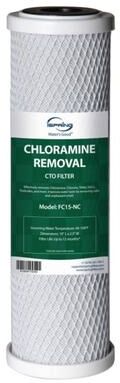
iSpring FC15-NC Replacement CTO Carbon Block Water Filter Cartridge for Under Sink Water Filtration System - White[Superior Chloramine Reduction]: This under-sink water filter uses catalytic carbon for exceptional filtration. Unlike standard carbon filters that remove 40-50% of chloramine, the FC15-NC filter can eliminate up to 99.4%.48,99 $*Shipping: 0,00 $Secure redirect to the provider
-
What are non-aromatic carbon-carbon bonds?
Non-aromatic carbon-carbon bonds are simply carbon-carbon bonds that do not participate in aromaticity. Aromaticity refers to a special type of bonding in organic molecules that results in increased stability and unique reactivity. Non-aromatic carbon-carbon bonds can be found in a wide range of organic compounds and can exhibit different types of reactivity and properties depending on their specific chemical environment. These bonds can be found in aliphatic hydrocarbons, such as alkanes and alkenes, as well as in many other organic molecules. **
-
What is the amount of substance n of carbon monoxide (CO)?
The amount of substance n of carbon monoxide (CO) is typically measured in moles. One mole of any substance contains approximately 6.022 x 10^23 molecules. To determine the amount of substance n of carbon monoxide, one would need to know the mass of the sample and its molar mass, which is approximately 28.01 g/mol for CO. By dividing the mass of the sample by the molar mass of CO, one can calculate the amount of substance n in moles. **
-
Is carbon and carbon fiber the same thing?
No, carbon and carbon fiber are not the same thing. Carbon is a chemical element with the symbol C and atomic number 6, while carbon fiber is a material made of thin strands of carbon woven together. Carbon fiber is a composite material that is known for its high strength-to-weight ratio and is commonly used in aerospace, automotive, and sporting goods industries. **
-
What are the differences between Carbon 12 and Carbon 14?
Carbon 12 and Carbon 14 are isotopes of carbon with different atomic masses. Carbon 12 has 6 protons and 6 neutrons, while Carbon 14 has 6 protons and 8 neutrons. Carbon 12 is stable and makes up the majority of carbon found in nature, while Carbon 14 is radioactive and is used in radiocarbon dating to determine the age of organic materials. The presence of Carbon 14 in an object can help scientists estimate its age up to around 50,000 years. **
* All prices are inclusive of VAT and, if applicable, plus shipping costs. The offer information is based on the details provided by the respective shop and is updated through automated processes. Real-time updates do not occur, so deviations can occur in individual cases. ** Note: Parts of this content were created by AI.