Buy mad.co.at ?
We are moving the project
mad.co.at .
Are you interested in purchasing the domain
mad.co.at ?
domain@kv-gmbh.de · 0541-91531010
Buy mad.co.at ?
What is Käthe Kollwitz's Weavers' Revolt?
Käthe Kollwitz's Weavers' Revolt is a series of prints created by the German artist between 1893 and 1897. The series depicts the harsh working and living conditions of the weavers in Silesia, Germany, and their eventual revolt against their oppressive employers. Kollwitz's powerful and emotive images capture the struggles and suffering of the working class, highlighting themes of poverty, injustice, and social inequality. The Weavers' Revolt is considered one of Kollwitz's most important works and a significant contribution to the genre of social realism in art. **
Search for poems on the topic of the weavers' uprising or industrialization in connection with the weavers.
One famous poem on the weavers' uprising is "The Song of the Shirt" by Thomas Hood. This poem sheds light on the harsh working conditions of the weavers during the industrial revolution. Another poem that explores the theme of industrialization and its impact on the weavers is "The Weaver's Lament" by Sarah Jones. These poems capture the struggles and hardships faced by the weavers during a time of rapid industrialization and social change. **


Similar search terms for Weavers
Top-Angebote
Products related to Weavers:
-
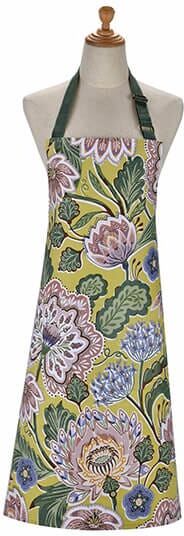
Ulster Weavers Emmeline Cotton ApronThe Ulster Weavers Emmeline Cotton Apron design combines inspiration from arts and crafts with paisley patterns, given a modern twist through a bright yellow background. The heritage design features vintage neutrals with an aged, timeless quality. Made from 100% cotton, this stylish apron features an adjustable neck strap, waist ties and a handy front pocket. Machine washable at 40°C. Part of the Ulster Weavers Emmeline collection, this apron can be mixed and matched with other items, sold separately. Size: 70(W) x 85(L)cm.18,00 £*Shipping: 3,50 £Secure redirect to the provider
-
Home Weavers Inc Home Weavers Hazel 500GSM 100% Cotton Zero Twist Super Absorbent Bath Towel ComboExperience unmatched comfort and everyday luxury with the Home Weavers Hazel Bath Towel Set, crafted from 100% premium cotton with a plush 500 GSM weight and enhanced by innovative Zero Twist Technology.199,99 $*Shipping: 0,00 $Secure redirect to the provider
-
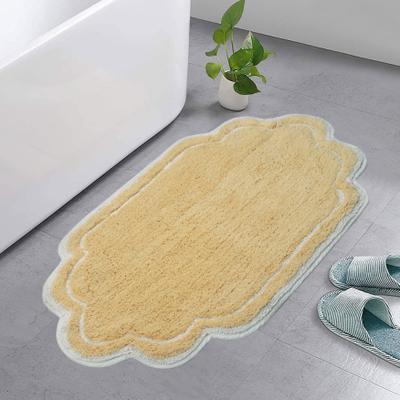
Home Weavers Inc "Home Weavers Waterford Contour Bath Rug 20""x20""""Waterford Bath Rug Collection, 20""x20"" The Waterford Collection rugs are meant to keep the bathroom floor dry and stylish. Their simple rectangular frame is covered in soft towel texture that feels extremely soft against bare feet."35,49 $*Shipping: 0,00 $Secure redirect to the provider


-
I am looking for poems on the topic of the weavers' uprising or industrialization in connection with the weavers.
One poem that fits your criteria is "The Song of the Shirt" by Thomas Hood. This poem sheds light on the harsh working conditions of the weavers during the Industrial Revolution, particularly focusing on the plight of women in the textile industry. Another poem you may find interesting is "The Weaver's Lament" by John Clare, which captures the struggles and frustrations of the weavers during a time of industrialization. Both poems offer poignant insights into the challenges faced by the weavers and the impact of industrialization on their lives. **
-
What happened during the Silesian weavers' uprising in 1844?
The Silesian weavers' uprising in 1844 was a protest by weavers in the Silesia region of Prussia against poor working conditions and low wages. The weavers, who were suffering from economic hardship due to the industrialization of the textile industry, took to the streets in a violent uprising. The protest was eventually suppressed by the Prussian authorities, leading to the arrest and execution of the uprising's leaders. The event drew attention to the plight of the working class and contributed to the growing labor movement in Europe. **
-
What happened to the Silesian weavers in the year 1844?
In 1844, the Silesian weavers experienced a major uprising known as the Silesian Weavers' Uprising. The weavers, who were suffering from extreme poverty and exploitation by the textile manufacturers, revolted against their oppressive working conditions. The uprising was brutally suppressed by the Prussian authorities, leading to the arrest and execution of many of the weavers. This event became a symbol of the struggle of the working class against exploitation and inspired future labor movements. **
-
Am I crazy and/or insane?
It is not appropriate to label oneself as crazy or insane. Mental health is a complex and nuanced issue that should be addressed with compassion and understanding. If you are feeling overwhelmed or struggling with your mental health, it is important to seek support from a mental health professional who can provide guidance and help you navigate your emotions in a healthy way. Remember, it is okay to not be okay, and seeking help is a sign of strength, not weakness. **
What does the last stanza of the poem "The Silesian Weavers" by Heinrich Heine mean?
The last stanza of the poem "The Silesian Weavers" by Heinrich Heine conveys a sense of despair and hopelessness among the weavers who are suffering due to their harsh working conditions. The imagery of the loom becoming a gallows symbolizes their inevitable fate of poverty and death. The stanza highlights the exploitation and oppression faced by the weavers, emphasizing their struggle and the grim reality of their situation. **
From when is someone considered crazy or insane?
The concept of what is considered "crazy" or "insane" has evolved over time and varies across cultures. In general, someone may be considered to be experiencing mental illness or insanity when their thoughts, emotions, or behaviors significantly deviate from societal norms and cause distress or impairment in their daily functioning. However, it is important to approach these terms with sensitivity and understanding, as mental health is a complex and multifaceted issue that should be addressed with compassion and support. **
Top-Angebote
Products related to Weavers:
-
Home Weavers Inc "Home Weavers Waterford Contour Bath Rug 20""x20""""Waterford Bath Rug Collection, 20""x20"" The Waterford Collection rugs are meant to keep the bathroom floor dry and stylish. Their simple rectangular frame is covered in soft towel texture that feels extremely soft against bare feet."35,99 $*Shipping: 0,00 $Secure redirect to the provider
-
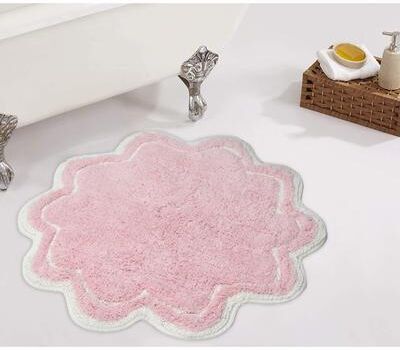
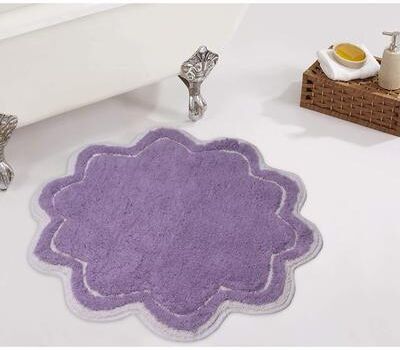
Home Weavers Inc Home Weavers Bellflower Collection Absorbent Cotton Machine Washable Bath Rug"Bell Flower Bath Rug Collection, 25""x25"" Bring elegance home with this Bellflower Bath Rug. This lovely bath rug features dainty roses on a soft solid colour background. This beautiful bathroom rug is both functional and durable."42,49 $*Shipping: 0,00 $Secure redirect to the provider
-
Ulster Weavers Emmeline Cotton ApronThe Ulster Weavers Emmeline Cotton Apron design combines inspiration from arts and crafts with paisley patterns, given a modern twist through a bright yellow background. The heritage design features vintage neutrals with an aged, timeless quality. Made from 100% cotton, this stylish apron features an adjustable neck strap, waist ties and a handy front pocket. Machine washable at 40°C. Part of the Ulster Weavers Emmeline collection, this apron can be mixed and matched with other items, sold separately. Size: 70(W) x 85(L)cm.18,00 £*Shipping: 3,50 £Secure redirect to the provider
-
What is Käthe Kollwitz's Weavers' Revolt?
Käthe Kollwitz's Weavers' Revolt is a series of prints created by the German artist between 1893 and 1897. The series depicts the harsh working and living conditions of the weavers in Silesia, Germany, and their eventual revolt against their oppressive employers. Kollwitz's powerful and emotive images capture the struggles and suffering of the working class, highlighting themes of poverty, injustice, and social inequality. The Weavers' Revolt is considered one of Kollwitz's most important works and a significant contribution to the genre of social realism in art. **
-
Search for poems on the topic of the weavers' uprising or industrialization in connection with the weavers.
One famous poem on the weavers' uprising is "The Song of the Shirt" by Thomas Hood. This poem sheds light on the harsh working conditions of the weavers during the industrial revolution. Another poem that explores the theme of industrialization and its impact on the weavers is "The Weaver's Lament" by Sarah Jones. These poems capture the struggles and hardships faced by the weavers during a time of rapid industrialization and social change. **
-
I am looking for poems on the topic of the weavers' uprising or industrialization in connection with the weavers.
One poem that fits your criteria is "The Song of the Shirt" by Thomas Hood. This poem sheds light on the harsh working conditions of the weavers during the Industrial Revolution, particularly focusing on the plight of women in the textile industry. Another poem you may find interesting is "The Weaver's Lament" by John Clare, which captures the struggles and frustrations of the weavers during a time of industrialization. Both poems offer poignant insights into the challenges faced by the weavers and the impact of industrialization on their lives. **
-
What happened during the Silesian weavers' uprising in 1844?
The Silesian weavers' uprising in 1844 was a protest by weavers in the Silesia region of Prussia against poor working conditions and low wages. The weavers, who were suffering from economic hardship due to the industrialization of the textile industry, took to the streets in a violent uprising. The protest was eventually suppressed by the Prussian authorities, leading to the arrest and execution of the uprising's leaders. The event drew attention to the plight of the working class and contributed to the growing labor movement in Europe. **
Similar search terms for Weavers
-
Home Weavers Inc Home Weavers Hazel 500GSM 100% Cotton Zero Twist Super Absorbent Bath Towel ComboExperience unmatched comfort and everyday luxury with the Home Weavers Hazel Bath Towel Set, crafted from 100% premium cotton with a plush 500 GSM weight and enhanced by innovative Zero Twist Technology.199,99 $*Shipping: 0,00 $Secure redirect to the provider
-
Home Weavers Inc "Home Weavers Waterford Contour Bath Rug 20""x20""""Waterford Bath Rug Collection, 20""x20"" The Waterford Collection rugs are meant to keep the bathroom floor dry and stylish. Their simple rectangular frame is covered in soft towel texture that feels extremely soft against bare feet."35,49 $*Shipping: 0,00 $Secure redirect to the provider
-
What happened to the Silesian weavers in the year 1844?
In 1844, the Silesian weavers experienced a major uprising known as the Silesian Weavers' Uprising. The weavers, who were suffering from extreme poverty and exploitation by the textile manufacturers, revolted against their oppressive working conditions. The uprising was brutally suppressed by the Prussian authorities, leading to the arrest and execution of many of the weavers. This event became a symbol of the struggle of the working class against exploitation and inspired future labor movements. **
-
Am I crazy and/or insane?
It is not appropriate to label oneself as crazy or insane. Mental health is a complex and nuanced issue that should be addressed with compassion and understanding. If you are feeling overwhelmed or struggling with your mental health, it is important to seek support from a mental health professional who can provide guidance and help you navigate your emotions in a healthy way. Remember, it is okay to not be okay, and seeking help is a sign of strength, not weakness. **
-
What does the last stanza of the poem "The Silesian Weavers" by Heinrich Heine mean?
The last stanza of the poem "The Silesian Weavers" by Heinrich Heine conveys a sense of despair and hopelessness among the weavers who are suffering due to their harsh working conditions. The imagery of the loom becoming a gallows symbolizes their inevitable fate of poverty and death. The stanza highlights the exploitation and oppression faced by the weavers, emphasizing their struggle and the grim reality of their situation. **
-
From when is someone considered crazy or insane?
The concept of what is considered "crazy" or "insane" has evolved over time and varies across cultures. In general, someone may be considered to be experiencing mental illness or insanity when their thoughts, emotions, or behaviors significantly deviate from societal norms and cause distress or impairment in their daily functioning. However, it is important to approach these terms with sensitivity and understanding, as mental health is a complex and multifaceted issue that should be addressed with compassion and support. **
* All prices are inclusive of VAT and, if applicable, plus shipping costs. The offer information is based on the details provided by the respective shop and is updated through automated processes. Real-time updates do not occur, so deviations can occur in individual cases. ** Note: Parts of this content were created by AI.