Buy mad.co.at ?
We are moving the project
mad.co.at .
Are you interested in purchasing the domain
mad.co.at ?
domain@kv-gmbh.de · 0541-91531010
Buy mad.co.at ?
Would a pet tortoise survive in the wild?
A pet tortoise would likely struggle to survive in the wild as they are not accustomed to fending for themselves in a natural environment. Pet tortoises are often raised in captivity and may not have the necessary skills to find food, water, or shelter on their own. Additionally, they may not have the instincts to protect themselves from predators or navigate unfamiliar territory. It is important to keep pet tortoises in a safe and controlled environment to ensure their well-being. **
How can one release a Greek tortoise into the wild?
Releasing a Greek tortoise into the wild should be done with caution and consideration for the animal's well-being. It is important to ensure that the release location is suitable for the tortoise, with the right climate, vegetation, and access to food and water. It is also important to check local regulations and obtain any necessary permits for releasing a non-native species. Additionally, the tortoise should be in good health and free from any diseases before being released. Finally, it is important to monitor the tortoise after release to ensure its successful adaptation to the wild. **

Similar search terms for Tortoise
Top-Angebote
Products related to Tortoise:
-
Tortoise Clock - Ballard DesignsTortoise shell has been in vogue as a decorative accent since the 19th century and it's just as timeless today. Our stylish Tortoise Clock is hand crafted of engineered wood and decorated with a classic tortoise shell motif rich in deep chocolate...63,20 $*Shipping: 179,00 $Secure redirect to the provider
-
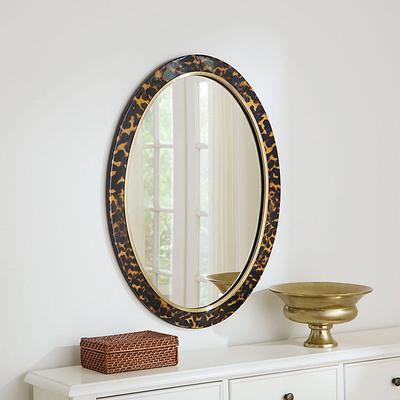
Tortoise Mirror - Ballard DesignsTortoise shell became wildly popular as a decorative accent in the 19th-century and has never lost its charm for designers. Our Tortoise Mirror is artisan crafted of wood and finished by hand in a classic tortoise shell motif rich in deep chocolate...319,20 $*Shipping: 39,95 $Secure redirect to the provider
-
Zodax Andria Tortoise Glass PitcherCombine chic style and functionality with this elegant pitcher. Featuring a lovely tortoise design and high-quality glass construction. Discover this striking blue pitcher that will surely make hosting a whole lot easier.31,25 $*Shipping: 0,00 $Secure redirect to the provider
-
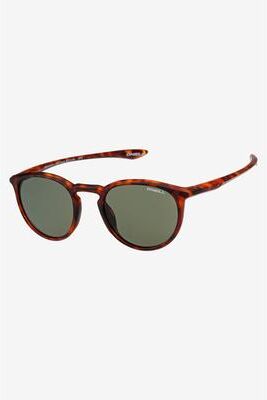
O'Neill 2.0 Sunglasses in TortoiseChannel timeless surf cool with the O'Neill Cloudbreak 2.0 polarized sunglasses, featuring a classic round eye shape paired with a vintage keyhole bridge and sleek beveled streamlined temples. This unisex retro-inspired silhouette brings effortless...69,00 $*Shipping: 0,00 $Secure redirect to the provider


-
How can one release a Greek tortoise back into the wild?
Releasing a Greek tortoise back into the wild should be done with caution and consideration for the animal's well-being. It is important to choose a suitable habitat that closely resembles the tortoise's natural environment, with access to food, water, and shelter. The tortoise should be released during the warmer months to ensure it can acclimate to its surroundings and find food. It is also advisable to monitor the tortoise for a period after release to ensure it is adjusting well to its new environment. **
-
Does my tortoise eat sand?
No, your tortoise should not eat sand. Ingesting sand can lead to digestive issues and impaction, which can be harmful to your tortoise's health. It's important to provide your tortoise with a proper diet of leafy greens, vegetables, and occasional fruits, as well as a calcium supplement. If you're concerned about your tortoise's diet, it's best to consult with a veterinarian who specializes in reptiles. **
-
What is a Greek tortoise?
The Greek tortoise, also known as the spur-thighed tortoise, is a species of tortoise native to the Mediterranean region. They are known for their distinctive spurs on their thighs and their domed shells. Greek tortoises are herbivores, feeding mainly on grasses, weeds, and leafy greens. They are popular as pets due to their small size, hardiness, and relatively easy care requirements. **
-
Which tortoise does not burrow?
The African spurred tortoise (Centrochelys sulcata) does not burrow. This species is native to the southern edge of the Sahara Desert and is adapted to living in arid, open habitats where burrowing is not necessary for survival. Instead, they rely on their strong legs and tough skin to protect themselves from predators and extreme temperatures. **

Is the Greek tortoise dead?
I cannot determine the current status of a specific Greek tortoise without more information. If you have concerns about a specific tortoise, I recommend contacting a veterinarian or animal care professional for assistance. It's important to provide proper care and attention to ensure the well-being of any animal. **
Does the Greek tortoise bite?
Yes, Greek tortoises can bite if they feel threatened or provoked. However, they are generally docile animals and will only bite as a last resort. It is important to handle them gently and with care to avoid any potential biting incidents. **
Top-Angebote
Products related to Tortoise:
-
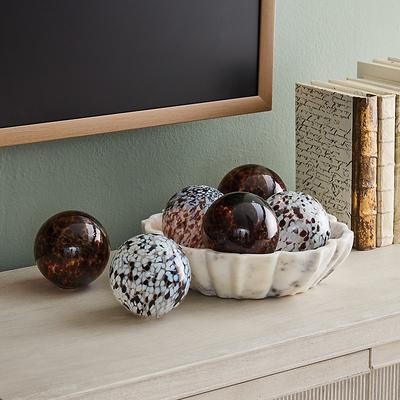
Set of 3 Tortoise Glass Spheres - Tortoise - Ballard DesignsTortoise Glass has been in vogue since the 1800's and it remains one of our favorite decorative trends. These Tortoise Glass Spheres are hand blown into hollow globes left open at the base to create a tiny foot for standing. March these stylish...31,20 $*Shipping: 9,95 $Secure redirect to the provider
-
Uplifted Finds Artisanal Wooden Tortoise Teaser Wand Artisanal Wooden Tortoise Teaser WandElevate your cats playtime with the Artisanal Wooden Tortoise Teaser, a durable and ecofriendly alternative to standard plastic wands. This interactive toy features a charming tortoise charm crafted from reinforced wood, making it naturally...36,97 $*Shipping: 0,00 $Secure redirect to the provider
-
Tortoise Clock - Ballard DesignsTortoise shell has been in vogue as a decorative accent since the 19th century and it's just as timeless today. Our stylish Tortoise Clock is hand crafted of engineered wood and decorated with a classic tortoise shell motif rich in deep chocolate...63,20 $*Shipping: 179,00 $Secure redirect to the provider
-
Tortoise Mirror - Ballard DesignsTortoise shell became wildly popular as a decorative accent in the 19th-century and has never lost its charm for designers. Our Tortoise Mirror is artisan crafted of wood and finished by hand in a classic tortoise shell motif rich in deep chocolate...319,20 $*Shipping: 39,95 $Secure redirect to the provider
-
Would a pet tortoise survive in the wild?
A pet tortoise would likely struggle to survive in the wild as they are not accustomed to fending for themselves in a natural environment. Pet tortoises are often raised in captivity and may not have the necessary skills to find food, water, or shelter on their own. Additionally, they may not have the instincts to protect themselves from predators or navigate unfamiliar territory. It is important to keep pet tortoises in a safe and controlled environment to ensure their well-being. **
-
How can one release a Greek tortoise into the wild?
Releasing a Greek tortoise into the wild should be done with caution and consideration for the animal's well-being. It is important to ensure that the release location is suitable for the tortoise, with the right climate, vegetation, and access to food and water. It is also important to check local regulations and obtain any necessary permits for releasing a non-native species. Additionally, the tortoise should be in good health and free from any diseases before being released. Finally, it is important to monitor the tortoise after release to ensure its successful adaptation to the wild. **
-
How can one release a Greek tortoise back into the wild?
Releasing a Greek tortoise back into the wild should be done with caution and consideration for the animal's well-being. It is important to choose a suitable habitat that closely resembles the tortoise's natural environment, with access to food, water, and shelter. The tortoise should be released during the warmer months to ensure it can acclimate to its surroundings and find food. It is also advisable to monitor the tortoise for a period after release to ensure it is adjusting well to its new environment. **
-
Does my tortoise eat sand?
No, your tortoise should not eat sand. Ingesting sand can lead to digestive issues and impaction, which can be harmful to your tortoise's health. It's important to provide your tortoise with a proper diet of leafy greens, vegetables, and occasional fruits, as well as a calcium supplement. If you're concerned about your tortoise's diet, it's best to consult with a veterinarian who specializes in reptiles. **
Similar search terms for Tortoise
-
Zodax Andria Tortoise Glass PitcherCombine chic style and functionality with this elegant pitcher. Featuring a lovely tortoise design and high-quality glass construction. Discover this striking blue pitcher that will surely make hosting a whole lot easier.31,25 $*Shipping: 0,00 $Secure redirect to the provider
-
O'Neill 2.0 Sunglasses in TortoiseChannel timeless surf cool with the O'Neill Cloudbreak 2.0 polarized sunglasses, featuring a classic round eye shape paired with a vintage keyhole bridge and sleek beveled streamlined temples. This unisex retro-inspired silhouette brings effortless...69,00 $*Shipping: 0,00 $Secure redirect to the provider
-
Acrylic Tortoise Tray - Ballard DesignsTortoise shell is trending everywhere, from fashion to home decor. Our Acrylic Tortoise Tray serves up the trending look with flawless style. The sleek, rectangular silhouette is crafted of premium quality acrylic with richly colored tortoise shell...143,20 $*Shipping: 179,00 $Secure redirect to the provider
-
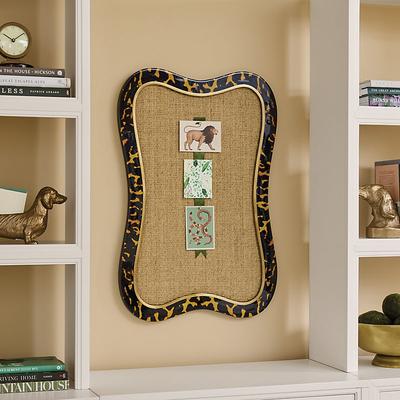
Tortoise Pin Board - Ballard DesignsTwo of our favorite decorative trends, tortoise shell and waves, together in one noteworthy wall accent. Our handmade Tortoise Pin Board features a wavy tortoise shell frame trimmed in antique brass and covered in richly textured, natural sisal....183,20 $*Shipping: 179,00 $Secure redirect to the provider
-
What is a Greek tortoise?
The Greek tortoise, also known as the spur-thighed tortoise, is a species of tortoise native to the Mediterranean region. They are known for their distinctive spurs on their thighs and their domed shells. Greek tortoises are herbivores, feeding mainly on grasses, weeds, and leafy greens. They are popular as pets due to their small size, hardiness, and relatively easy care requirements. **
-
Which tortoise does not burrow?
The African spurred tortoise (Centrochelys sulcata) does not burrow. This species is native to the southern edge of the Sahara Desert and is adapted to living in arid, open habitats where burrowing is not necessary for survival. Instead, they rely on their strong legs and tough skin to protect themselves from predators and extreme temperatures. **
-
Is the Greek tortoise dead?
I cannot determine the current status of a specific Greek tortoise without more information. If you have concerns about a specific tortoise, I recommend contacting a veterinarian or animal care professional for assistance. It's important to provide proper care and attention to ensure the well-being of any animal. **
-
Does the Greek tortoise bite?
Yes, Greek tortoises can bite if they feel threatened or provoked. However, they are generally docile animals and will only bite as a last resort. It is important to handle them gently and with care to avoid any potential biting incidents. **
* All prices are inclusive of VAT and, if applicable, plus shipping costs. The offer information is based on the details provided by the respective shop and is updated through automated processes. Real-time updates do not occur, so deviations can occur in individual cases. ** Note: Parts of this content were created by AI.