Buy mad.co.at ?
We are moving the project
mad.co.at .
Are you interested in purchasing the domain
mad.co.at ?
domain@kv-gmbh.de · 0541-91531010
Buy mad.co.at ?
Is organic salmon or wild salmon more contaminated with mercury?
Wild salmon is generally less contaminated with mercury compared to organic salmon. This is because wild salmon feed on a natural diet in their natural habitat, whereas organic salmon are often fed a diet that may contain contaminants. Additionally, organic salmon are typically farmed in enclosed environments where there is a higher risk of exposure to pollutants. It is important to consume both types of salmon in moderation to minimize the risk of mercury contamination. **
How can one prepare wild apples and wild pears?
Wild apples and pears can be prepared in a variety of ways, including making them into jams, jellies, or preserves. They can also be used in baking, such as in pies, crisps, or tarts. Another option is to simply eat them fresh, although they may be more tart or astringent than cultivated varieties. When preparing wild apples and pears, it's important to wash them thoroughly and remove any blemishes or insect damage before using them in recipes. **
Similar search terms for Terpenic-Lab-Organic-Wild
Top-Angebote
Products related to Terpenic-Lab-Organic-Wild:
-
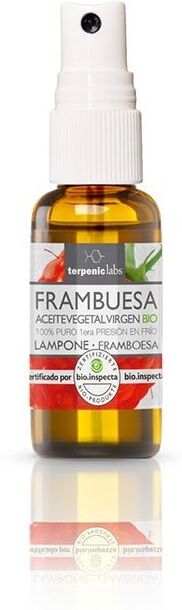
Terpenic Lab Organic Raspberry Oil 30mlHealth and Beauty Creams Terpenic Lab Organic Raspberry Oil 30ml Raspberry seed oil is obtained by cold pressing and subsequent filtration of the seeds of the Rubus ideus L. shrub. This shrub grows endemic to Europe and parts of Asia where it extends from 1.5m to 2.5m with evergreen leaves and whose sweet fruits (raspberries) are produced from late summer to early autumn, although its flowering and ripening may vary depending on the warmer or colder climate of the regions where it grows. Benefits: Acts as an anti-inflammatory for redness and irritation. Properties: moisturizing, nourishing, soothing, and regenerating. Soothing and anti-itch effect. Widely used in the formulation of regenerating cosmetics for the eye contour, lip contour, and facial, hair, and body treatments.11,93 £*Shipping: 3,99 £Secure redirect to the provider
-
Terpenic Lab Organic Camelina 100 mlHealth and Beauty Creams Terpenic Lab Organic Camelina 100 ml 100% pure and natural organic oil, first cold-pressed. Terpenic Labs holds the Euro leaf and Inspecta bio seals, guaranteeing that it comes from organic farming. This cosmetic is made with virgin vegetable oils that retain all the qualities of the fruit or seed, freshly pressed to preserve their aroma, texture, and color. Unique for their therapeutic value for the skin, they retain all their vitamins. Benefits: Therapeutic and antioxidant. Detoxifying. Available sizes: 100 ml and 500 ml10,22 £*Shipping: 3,99 £Secure redirect to the provider
-
Terpenic Lab Organic Castor Oil 250 mlHealth and Beauty Finishing and Fixing Terpenic Lab Organic Castor Oil 250 ml Nourishes and cares for eyelashes and eyebrows. Cares for and strengthens nails. Not recommended for oral use (intestinal irritant). Analgesic, antimicrobial, antifungal, strengthens and nourishes hair and nails. Castor oil contains a high concentration of ricinoleic acid. Texture: Liquid with balanced viscosity, glossy, and low absorption. Odor: Faint. Color: Pale yellow. Castor oil contains a glycoprotein called ricin, which has long been known for its purgative properties. Therefore, as it is a pure, unrefined oil, we will apply this vegetable oil exclusively externally. The most notable properties of castor oil are: Analgesic, Antimicrobial, Antifungal, Strengthening and nourishing of hair and nails. Uses and applications: External use only. Castor oil has been commonly used in cosmetics, from the manufacture of lipsticks and hair care products to bath oils, eyelash products, and emulsions. The consistency it provides makes it highly valued in all these preparations. Furthermore, we must consider its previously mentioned antiseptic and analgesic properties (when combined with anti-inflammatory and analgesic essential oils for conditions such as rheumatism). It is also recommended in body and hair oil preparations (such as anti-hair loss and split-end lotions), as well as in facial and body serums for hyperpigmentation spots, often combined with other essential and vegetable oils.19,68 £*Shipping: 3,99 £Secure redirect to the provider
-
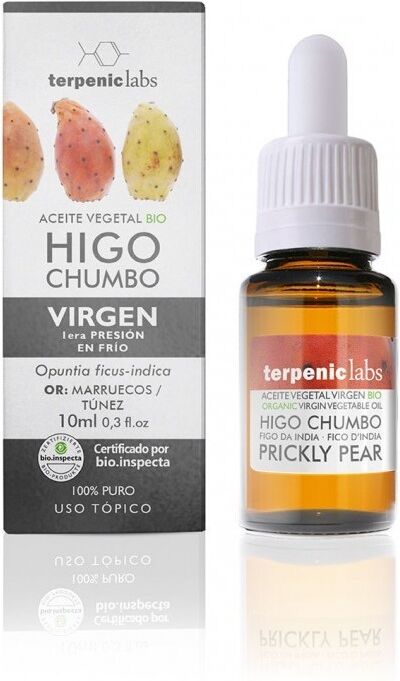
Terpenic Lab Organic Prickly Pear Oil 10mlHealth and Beauty Serums Terpenic Lab Organic Prickly Pear Oil 10ml Our vegetable oil is obtained by cold-pressing the seeds of the Opuntia ficus-indica. This botanical species belongs to the Cactaceae family and is native to arid and semi-arid regions, being the source of Tunisian Terpenic Prickly Pear Oil. It is one of the most prominent vegetable oils in cosmetics and difficult to obtain due to the size and concentration of oil in the seeds. Its properties derive from its components, both from the saponifiable part (with over 75% omega 9 and 6 in its composition) and from the unsaponifiable part, notably the phytosterols and fat-soluble antioxidant vitamins. Cosmetic use: This jewel of nature is renowned for its highly valued regenerative, anti-wrinkle, anti-aging, and protective properties against free radical damage. It has the ability to restore elasticity to the skin. It provides dry skin with comfort and hydration, protecting it from dehydration. It has the ability to visibly improve the appearance of scars. It penetrates the skin very well and doesn't leave a greasy feeling. It is the ultimate natural serum for mature and/or tired skin, as well as an exceptional ally in preventing the signs of skin aging. This plant oil is highly valued in the production of natural cosmetics and aesthetic treatments. It is used as an anti-wrinkle treatment, for stretch marks, in after-sun preparations, eye contour creams, serums, creams, and for scars (acne) and pigmentation spots.18,34 £*Shipping: 3,99 £Secure redirect to the provider

-
What do you need to consider and do in the basic organic chemistry lab course?
In a basic organic chemistry lab course, students need to consider safety precautions, such as wearing appropriate personal protective equipment and following proper handling and disposal procedures for chemicals. They also need to familiarize themselves with the equipment and techniques used in organic chemistry experiments, such as distillation, extraction, and chromatography. Additionally, students should pay close attention to the instructions and procedures provided in the lab manual, as well as accurately record their observations and data in their lab notebooks. Finally, they should be mindful of the environmental impact of the chemicals and waste generated in the lab and follow sustainable practices. **
-
Why can't the blue flame in the Hateno Ancient Tech Lab be taken in Zelda Breath of the Wild?
The blue flame in the Hateno Ancient Tech Lab cannot be taken in Zelda Breath of the Wild because it is a special type of flame that is required to power the ancient technology in the lab. The game mechanics dictate that the blue flame must be carried using a specific type of torch, and it cannot be transferred to any other type of flame or container. This limitation is designed to create a specific gameplay challenge and to ensure that players follow the intended path to complete the quest associated with the blue flame. **
-
Wild horse breeds
Wild horse breeds are horses that live in the wild and are not domesticated. Some well-known wild horse breeds include the Mustang in North America, the Brumby in Australia, and the Tarpan in Europe. These horses have adapted to survive in their natural environments and often live in herds. They are known for their hardiness, agility, and independence. **
-
What is wild growth wild meat on the nose piercing?
Wild growth wild meat on the nose piercing refers to the natural healing process that occurs when a nose piercing is left to heal without interference. This process involves the formation of new tissue around the piercing, which can sometimes result in a small bump or raised area around the piercing site. This is a normal part of the healing process and is not necessarily a cause for concern. However, if the bump becomes painful, inflamed, or shows signs of infection, it is important to seek medical attention. **

Which wild herbs and wild berries can be collected in winter?
In winter, some wild herbs that can be collected include rosemary, thyme, and winter savory, which are hardy enough to survive the cold temperatures. As for wild berries, some varieties that can be found in winter include wintergreen, cranberries, and rose hips. These can be foraged in certain regions where they are known to grow, but it's important to research and ensure that the plants are safe for consumption and that foraging is allowed in the area. **
Do wild animals eat?
Yes, wild animals do eat to survive. They hunt, forage, scavenge, or graze for food depending on their species and habitat. Their diet typically consists of a variety of plants, fruits, insects, small animals, or other sources of nutrition that provide them with the energy and nutrients they need to thrive in the wild. **
Top-Angebote
Products related to Terpenic-Lab-Organic-Wild:
-
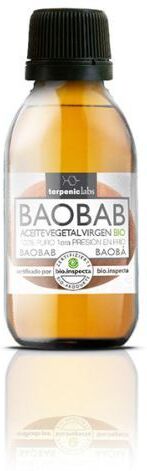
Terpenic Lab Organic Wild Baobab Vegetable Oil 55 ml 100 mlHealth and Beauty Creams Terpenic Lab Organic Wild Baobab Vegetable Oil 55 ml 100 ml Baobab oil has a high content of palmitic acid and vitamin E, which makes it highly resistant to oxidation. With a balanced balance of both mono and polyunsaturated fatty acids, it is a perfect stabilizing component in formulations. The baobab can grow up to 25 meters tall, belongs to the Bombacaeae family, and stands out in the landscape in which it grows due to its characteristic appearance. The seeds have a fatty oil content of approx. fifteen%. It softens, nourishes, protects, moisturizes, calms and regenerates the skin. It is used to prevent the appearance of wrinkles and stretch marks. How to use: External use: Due to its high palmitic acid content, it is an ideal oil for dry and very dry skin. Apply to the area to be treated with a gentle massage.18,93 £*Shipping: 3,99 £Secure redirect to the provider
-
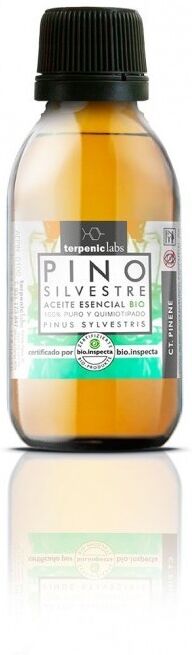
Terpenic Lab Organic Wild Pine Essential Oil 30 ml 30 mlHealth and Beauty Respiratory Care Terpenic Lab Organic Wild Pine Essential Oil 30 ml 30 ml Properties: Respiratory antiseptic, rubefacient, lymphotonic, analgesic, or hypertensive, antifungal. Indications: Bronchitis, Sinusitis, Cough, Hypotension, Sciatica, Low back pain, Rheumatism Aromatic Family: Wood. Combines with: Cedar, Cinnamon, Eucalyptus Citriodora, Tea Tree, Romero Cineol. Precautions: Do not use during the first 3 months of pregnancy or in children under 6 years of age.28,44 £*Shipping: 3,99 £Secure redirect to the provider
-
Terpenic Lab Organic Raspberry Oil 30mlHealth and Beauty Creams Terpenic Lab Organic Raspberry Oil 30ml Raspberry seed oil is obtained by cold pressing and subsequent filtration of the seeds of the Rubus ideus L. shrub. This shrub grows endemic to Europe and parts of Asia where it extends from 1.5m to 2.5m with evergreen leaves and whose sweet fruits (raspberries) are produced from late summer to early autumn, although its flowering and ripening may vary depending on the warmer or colder climate of the regions where it grows. Benefits: Acts as an anti-inflammatory for redness and irritation. Properties: moisturizing, nourishing, soothing, and regenerating. Soothing and anti-itch effect. Widely used in the formulation of regenerating cosmetics for the eye contour, lip contour, and facial, hair, and body treatments.11,93 £*Shipping: 3,99 £Secure redirect to the provider
-
Terpenic Lab Organic Camelina 100 mlHealth and Beauty Creams Terpenic Lab Organic Camelina 100 ml 100% pure and natural organic oil, first cold-pressed. Terpenic Labs holds the Euro leaf and Inspecta bio seals, guaranteeing that it comes from organic farming. This cosmetic is made with virgin vegetable oils that retain all the qualities of the fruit or seed, freshly pressed to preserve their aroma, texture, and color. Unique for their therapeutic value for the skin, they retain all their vitamins. Benefits: Therapeutic and antioxidant. Detoxifying. Available sizes: 100 ml and 500 ml10,22 £*Shipping: 3,99 £Secure redirect to the provider
-
Is organic salmon or wild salmon more contaminated with mercury?
Wild salmon is generally less contaminated with mercury compared to organic salmon. This is because wild salmon feed on a natural diet in their natural habitat, whereas organic salmon are often fed a diet that may contain contaminants. Additionally, organic salmon are typically farmed in enclosed environments where there is a higher risk of exposure to pollutants. It is important to consume both types of salmon in moderation to minimize the risk of mercury contamination. **
-
How can one prepare wild apples and wild pears?
Wild apples and pears can be prepared in a variety of ways, including making them into jams, jellies, or preserves. They can also be used in baking, such as in pies, crisps, or tarts. Another option is to simply eat them fresh, although they may be more tart or astringent than cultivated varieties. When preparing wild apples and pears, it's important to wash them thoroughly and remove any blemishes or insect damage before using them in recipes. **
-
What do you need to consider and do in the basic organic chemistry lab course?
In a basic organic chemistry lab course, students need to consider safety precautions, such as wearing appropriate personal protective equipment and following proper handling and disposal procedures for chemicals. They also need to familiarize themselves with the equipment and techniques used in organic chemistry experiments, such as distillation, extraction, and chromatography. Additionally, students should pay close attention to the instructions and procedures provided in the lab manual, as well as accurately record their observations and data in their lab notebooks. Finally, they should be mindful of the environmental impact of the chemicals and waste generated in the lab and follow sustainable practices. **
-
Why can't the blue flame in the Hateno Ancient Tech Lab be taken in Zelda Breath of the Wild?
The blue flame in the Hateno Ancient Tech Lab cannot be taken in Zelda Breath of the Wild because it is a special type of flame that is required to power the ancient technology in the lab. The game mechanics dictate that the blue flame must be carried using a specific type of torch, and it cannot be transferred to any other type of flame or container. This limitation is designed to create a specific gameplay challenge and to ensure that players follow the intended path to complete the quest associated with the blue flame. **
Similar search terms for Terpenic-Lab-Organic-Wild
-
Terpenic Lab Organic Castor Oil 250 mlHealth and Beauty Finishing and Fixing Terpenic Lab Organic Castor Oil 250 ml Nourishes and cares for eyelashes and eyebrows. Cares for and strengthens nails. Not recommended for oral use (intestinal irritant). Analgesic, antimicrobial, antifungal, strengthens and nourishes hair and nails. Castor oil contains a high concentration of ricinoleic acid. Texture: Liquid with balanced viscosity, glossy, and low absorption. Odor: Faint. Color: Pale yellow. Castor oil contains a glycoprotein called ricin, which has long been known for its purgative properties. Therefore, as it is a pure, unrefined oil, we will apply this vegetable oil exclusively externally. The most notable properties of castor oil are: Analgesic, Antimicrobial, Antifungal, Strengthening and nourishing of hair and nails. Uses and applications: External use only. Castor oil has been commonly used in cosmetics, from the manufacture of lipsticks and hair care products to bath oils, eyelash products, and emulsions. The consistency it provides makes it highly valued in all these preparations. Furthermore, we must consider its previously mentioned antiseptic and analgesic properties (when combined with anti-inflammatory and analgesic essential oils for conditions such as rheumatism). It is also recommended in body and hair oil preparations (such as anti-hair loss and split-end lotions), as well as in facial and body serums for hyperpigmentation spots, often combined with other essential and vegetable oils.19,68 £*Shipping: 3,99 £Secure redirect to the provider
-
Terpenic Lab Organic Prickly Pear Oil 10mlHealth and Beauty Serums Terpenic Lab Organic Prickly Pear Oil 10ml Our vegetable oil is obtained by cold-pressing the seeds of the Opuntia ficus-indica. This botanical species belongs to the Cactaceae family and is native to arid and semi-arid regions, being the source of Tunisian Terpenic Prickly Pear Oil. It is one of the most prominent vegetable oils in cosmetics and difficult to obtain due to the size and concentration of oil in the seeds. Its properties derive from its components, both from the saponifiable part (with over 75% omega 9 and 6 in its composition) and from the unsaponifiable part, notably the phytosterols and fat-soluble antioxidant vitamins. Cosmetic use: This jewel of nature is renowned for its highly valued regenerative, anti-wrinkle, anti-aging, and protective properties against free radical damage. It has the ability to restore elasticity to the skin. It provides dry skin with comfort and hydration, protecting it from dehydration. It has the ability to visibly improve the appearance of scars. It penetrates the skin very well and doesn't leave a greasy feeling. It is the ultimate natural serum for mature and/or tired skin, as well as an exceptional ally in preventing the signs of skin aging. This plant oil is highly valued in the production of natural cosmetics and aesthetic treatments. It is used as an anti-wrinkle treatment, for stretch marks, in after-sun preparations, eye contour creams, serums, creams, and for scars (acne) and pigmentation spots.18,34 £*Shipping: 3,99 £Secure redirect to the provider
-
Terpenic Lab Organic Jojoba Oil 500 mlHealth and Beauty Creams Terpenic Lab Organic Jojoba Oil 500 ml Terpenic Labs Jojoba Oil is obtained from the seeds of the Jojoba shrub (Buxus chinensis), a plant native to the Sonoran and Mojave deserts (areas belonging to Mexico and the USA). It is a treatment for oily and acne-prone skin, regulating sebum production and providing deep nourishment. Directions for Use: Apply to the affected area with a gentle massage.45,56 £*Shipping: 3,99 £Secure redirect to the provider
-
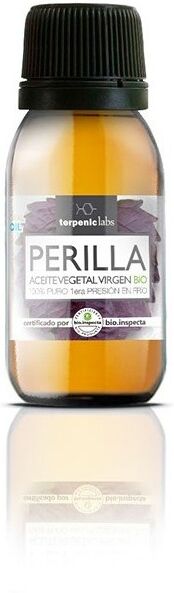
Terpenic Lab Organic Perilla Vegetable Oil 250 mlHealth and Beauty First aid kit Terpenic Lab Organic Perilla Vegetable Oil 250 ml Scent: Characteristic pleasant herbal scent. Texture: Medium penetration liquid for massage. In addition, its unsaponifiable fraction also contains vitamin E and polyphenolic compounds. These fat-soluble vitamins and other chemical substances provide the following properties: restructuring, soothing, softening, and anti-inflammatory. Uses and applications: In cosmetic use: it is recommended for atopic skin, dermatitis, spring allergies, eczema, various skin problems, sinusitis, rhinitis, vitiligo, as an immunomodulator, for respiratory conditions, and as an anti-aging treatment. It is also believed to have mood-enhancing and concentration-boosting properties. Highly recommended in aromatherapy synergies with essential oils. Topical use: Apply with a gentle massage to the area to be treated. Oral use: Highly recommended for oral use as a substitute for flaxseed oil and fish oil. Although suitable for consumption, it is recommended to use it raw; we do not recommend heating it above 316C as this will cause it to lose its beneficial properties.28,21 £*Shipping: 3,99 £Secure redirect to the provider
-
Wild horse breeds
Wild horse breeds are horses that live in the wild and are not domesticated. Some well-known wild horse breeds include the Mustang in North America, the Brumby in Australia, and the Tarpan in Europe. These horses have adapted to survive in their natural environments and often live in herds. They are known for their hardiness, agility, and independence. **
-
What is wild growth wild meat on the nose piercing?
Wild growth wild meat on the nose piercing refers to the natural healing process that occurs when a nose piercing is left to heal without interference. This process involves the formation of new tissue around the piercing, which can sometimes result in a small bump or raised area around the piercing site. This is a normal part of the healing process and is not necessarily a cause for concern. However, if the bump becomes painful, inflamed, or shows signs of infection, it is important to seek medical attention. **
-
Which wild herbs and wild berries can be collected in winter?
In winter, some wild herbs that can be collected include rosemary, thyme, and winter savory, which are hardy enough to survive the cold temperatures. As for wild berries, some varieties that can be found in winter include wintergreen, cranberries, and rose hips. These can be foraged in certain regions where they are known to grow, but it's important to research and ensure that the plants are safe for consumption and that foraging is allowed in the area. **
-
Do wild animals eat?
Yes, wild animals do eat to survive. They hunt, forage, scavenge, or graze for food depending on their species and habitat. Their diet typically consists of a variety of plants, fruits, insects, small animals, or other sources of nutrition that provide them with the energy and nutrients they need to thrive in the wild. **
* All prices are inclusive of VAT and, if applicable, plus shipping costs. The offer information is based on the details provided by the respective shop and is updated through automated processes. Real-time updates do not occur, so deviations can occur in individual cases. ** Note: Parts of this content were created by AI.