Buy mad.co.at ?
We are moving the project
mad.co.at .
Are you interested in purchasing the domain
mad.co.at ?
domain@kv-gmbh.de · 0541-91531010
Buy mad.co.at ?
What is a glyco- and lipid-anchored protein?
A glyco- and lipid-anchored protein is a type of membrane protein that is attached to the cell membrane through either a glycosylphosphatidylinositol (GPI) anchor or a lipid anchor. GPI-anchored proteins are attached to the membrane through a complex glycolipid structure, while lipid-anchored proteins are attached through a lipid molecule such as a fatty acid or isoprenoid. These anchors allow the protein to be embedded in the cell membrane, where it can carry out its specific functions, such as cell signaling or cell adhesion. **
What does 'using namespace std' stand for?
'using namespace std' is a directive in C++ that allows the programmer to use names from the standard C++ library without specifying the namespace each time. This means that you can directly use functions and objects from the standard library without having to prefix them with 'std::'. It can make the code more concise and readable, but it may also lead to naming conflicts if multiple libraries are used. **
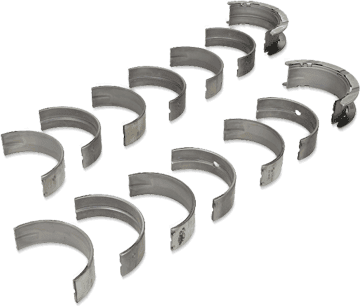

Similar search terms for GLYCO-H1129-7-STD
Top-Angebote
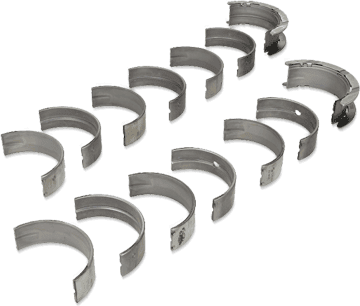
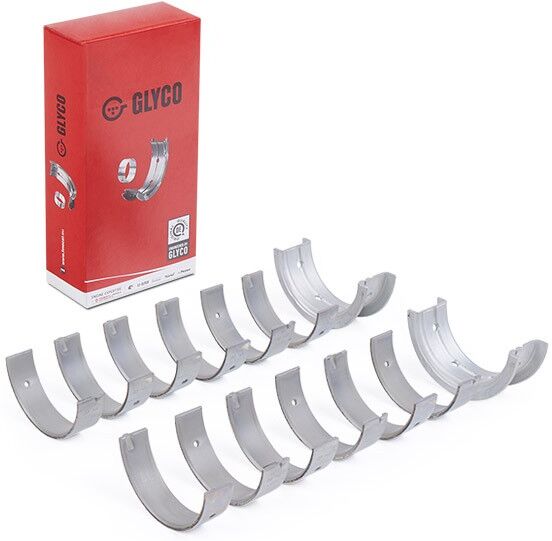
Products related to GLYCO-H1129-7-STD:
-
GLYCO H1048/7 STD Crankshaft bearingSupplementary Article / Supplementary Info Info 2: Steel back with sinter-fused bronze; Thickness: 2,178; Component Number: 66551CP, 66552CP; Standard Size [STD]: ; Position/Degree: 01;04;07, 2;3;5;6, 04, 07, 2, 3, 5, 6; TecDoc Engine Number: 10487, 10488, 10504, 10511, 18678, 25353, 26505, 26506, 26507, 26508, 27452, 685672,49 £*Shipping: 8,45 £Secure redirect to the provider
-
GLYCO H048/7 STD Crankshaft bearingSupplementary Article / Supplementary Info Info 2: Bronze coated steel back; for housing diameter from [mm]: 93; for housing diameter up to [mm]: 93,022; for shaft diameter from [mm]: 87,99; for shaft diameter to [mm]: 88,01; Component Number: 72-3602H, 72-3768; Surface: Galvanically coated; Standard Size [STD]: ; Position/Degree: 7; Construction Year from: 03/1984, 02/1992, 04/1984, 06/1984, 12/1986, 01/1986, 03/1994, 12/1992, 06/1986, 07/1986, 08/1989, 12/1985, 08/1984, 09/1988, 03/1993, 06/1994, 10/1984, 10/1992, 02/1987, 12/1994, 01/1991, 01/1989, 10/1988, 02/1991, 07/1985, 01/1994, 07/1992, 02/1990, 05/1992, 09/1989, 07/1994, 05/1991, 01/1992, 09/1991, 02/1984, 06/1988, 12/1988; Construction Year to: 02/1993, 08/1994, 12/1992, 03/1991; TecDoc Engine Number: 5698, 5704, 5716, 5748, 8064, 8065, 6039, 8062, 8067, 8068, 5699, 8069, 8070, 8075, 8076, 8077, 6035, 8073, 8074, 8078, 8080, 8079, 8094, 5739, 8093, 5703, 5757, 6040, 5705, 5706, 5707, 6041, 6042, 6279, 8095, 5708, 6043, 6049, 8098, 5717, 8099, 8100, 5718, 5745, 8102, 8104, 16813, 5719, 6052, 8103, 8105, 8106, 8107, 5720, 5744, 5723, 6056, 8108, 8140, 5721, 5722, 6054, 6055, 8110, 8112, 8113, 8114, 5724, 5725, 6057, 6058, 6282, 5726, 8115, 8116, 8132, 8133, 6072, 8134, 8135, 5740, 5741, 6073, 8136, 8137, 8138, 5742, 6074, 5743, 6075, 8141, 5746, 6077, 8126, 6091, 5756, 6089, 6090, 8165, 8166, 8167, 8168, 8124, 8169, 8170, 6078, 5749, 5766, 8150, 8125, 6098, 8146, 8147, 8148, 8149, 8189, 8196, 7887, 7888, 14690, 8005, 14688, 5681, 8007, 6019, 8006, 8011, 8010, 17175, 6017, 6018, 6277, 5680, 6276, 6320, 14689, 5679, 8000, 8001, 7994, 7995, 17096, 6050, 17176, 17857, 17858, 17859, 17861, 17862, 16992, 7993, 17100, 17101, 22798, 22796, 16812, 16816, 22795, 23024, 23011, 23025, 28677, 23016, 23029, 23017, 23027, 23009, 28690, 23215, 23224, 23044, 23014, 28673, 23041, 23046, 23047, 23225, 23211, 23212, 23204, 23019, 28678, 23043, 23050, 23053, 23219, 23223, 23015, 28683, 23226, 23028, 23038, 23222, 28685, 28686, 28687, 28684, 22748, 16820, 23018, 2321798,49 £*Shipping: 8,45 £Secure redirect to the provider
-
GLYCO H949/7 STD Crankshaft bearingSupplementary Article / Supplementary Info Info 2: Bronze coated steel back; Thickness: 2,5; for bearing clearance from [mm]: 0,02; for bearing clearance up to [mm]: 0,07; for housing diameter from [mm]: 65; for shaft diameter from [mm]: 59,971; for shaft diameter to [mm]: 59,99; for housing diameter up to [mm]: 65,019; Component Number: 72-3429; Surface: Galvanically coated; Standard Size [STD]: ; TecDoc Engine Number: 16159, 16160, 16161, 16162, 21394, 23890, 27912, 27913, 28033, 28034, 2934, 2935, 2936, 2938, 2939, 2944, 2945, 2946, 2947, 2948, 2949, 2950, 33130, 4851, 5406, 5451, 5452, 5453, 5454, 5455, 5456, 5457, 5477159,99 £*Shipping: 1,99 £Secure redirect to the provider
-
GLYCO H1023/7 STD Crankshaft bearingSupplementary Article / Supplementary Info Info 2: Bronze coated steel back; Thickness: 3,13; for bearing clearance from [mm]: 0,06; for bearing clearance up to [mm]: 0,14; for housing diameter from [mm]: 106,3; for housing diameter up to [mm]: 106,33; for shaft diameter from [mm]: 99,97; for shaft diameter to [mm]: 100; Component Number: 72-4096, 72-4097H; Surface: Galvanically coated; Standard Size [STD]: ; TecDoc Engine Number: 16506, 16505, 16507, 16591, 21057, 21089, 20645, 20618, 20619, 20620, 20622, 20632, 20633, 20626, 20641, 20644, 32123, 28295, 16550, 24331, 28300, 32124; Engine Code: F3B3681D, F3B3681F; Construction Year from: 06/2005, 01/2005, 09/2014119,99 £*Shipping: 1,99 £Secure redirect to the provider


-
What does using namespace std stand for?
Using namespace std stands for using the standard namespace in C++. It allows you to access standard C++ library functions and objects without having to prefix them with "std::". This can make your code cleaner and easier to read. However, it is generally considered a bad practice to use "using namespace std" in header files or large projects, as it can lead to naming conflicts. **
-
Are the blood values for CRP, HbA1c, and glyco concerning?
The blood values for CRP, HbA1c, and glyco can be concerning depending on the specific values and the individual's overall health. CRP (C-reactive protein) is a marker of inflammation, and elevated levels may indicate an underlying infection or inflammatory condition. HbA1c measures average blood sugar levels over the past 2-3 months, and elevated levels may indicate poorly controlled diabetes. Glyco likely refers to blood glucose levels, and high levels can also indicate poorly controlled diabetes. It is important to consult a healthcare professional to interpret these values in the context of the individual's overall health and medical history. **
-
What does STD, ETD mean at the airport?
STD stands for Scheduled Time of Departure, which is the expected time that a flight is scheduled to depart from the airport. ETD stands for Estimated Time of Departure, which is the updated or revised time that a flight is expected to depart, taking into account any delays or changes in the schedule. These terms are used by airlines and airport staff to communicate the departure times of flights to passengers and other personnel. **
-
How can I output a std::string in a RichTextBox?
To output a std::string in a RichTextBox in C++, you can use the following steps: 1. Convert the std::string to a System::String^ using the marshal_as function from the msclr/marshal.h header file. 2. Once you have the System::String^, you can use the AppendText method of the RichTextBox control to append the string to the RichTextBox. Here's an example of how you can achieve this: ```cpp #include <msclr/marshal.h> using namespace System; using namespace System::Windows::Forms; using namespace msclr::interop; // Assuming richTextBox1 is the name of your RichTextBox control std::string myString = "Hello, world!"; System::String^ managedString = marshal_as<System::String^>(myString); richTextBox1->AppendText(managedString); ``` By following these steps, you can easily output a std::string in a RichTextBox in C++. **


What is the difference between 7 and wild 7?
The main difference between 7 and wild 7 is that in some card games, the wild 7 card can be used as a substitute for any other card, while the regular 7 card does not have this ability. This means that the wild 7 card can help players complete sets or runs more easily. Additionally, the wild 7 card may have special rules or effects in certain games, while the regular 7 card typically does not have any special abilities. **
"Is 7 vs Wild fake?"
"7 vs Wild" is a scripted comedy series that parodies survival shows, so it is not a real survival show. The show features comedian Bear Grylls, who humorously attempts to survive in various wild environments. The show is not meant to be taken seriously and is purely for entertainment purposes. **
Top-Angebote
Products related to GLYCO-H1129-7-STD:
-
GLYCO H1129/7 STD Crankshaft bearingSupplementary Article / Supplementary Info Info 2: Steel back with sinter-fused bronze; Width [mm]: 34; Thickness: 2,98; for bearing clearance from [mm]: 0,09; for bearing clearance up to [mm]: 0,13; for shaft diameter from [mm]: 95,966; for shaft diameter to [mm]: 95,989; for housing diameter up to [mm]: 102,022; Component Number: 72-4318; Standard Size [STD]: ; Position/Degree: 1-7; Pin Height [mm]: 7; TecDoc Engine Number: 12191, 12204, 12207, 17421, 17528, 21230, 21231, 21269, 26707, 5860, 6209, 6503, 7551, 8414, 8535, 8537, 8538, 8539, 8540, 8541, 8579, 8582, 8586, 8588, 8589, 8590, 8592, 8595, 8633, 8635, 8641, 8642, 8643; Construction Year from: 01/2000, 02/1990, 04/1996, 04/1998, 05/1986, 06/1991, 06/1992, 09/1985, 09/1992, 10/1991, 10/1992, 12/1983, 12/1996; Construction Year to: 02/1990, 03/1993, 04/1993, 06/1997, 10/1991, 10/1992, 10/1993, 10/1996, 12/1993, 12/1996113,99 £*Shipping: 8,45 £Secure redirect to the provider
-
GLYCO H1073/7 STD Crankshaft bearingSupplementary Article / Supplementary Info Info 2: Steel back with sinter-fused bronze; Width [mm]: 35,5; Thickness: 2,07; for bearing clearance from [mm]: 0,06; for bearing clearance up to [mm]: 0,13; for shaft diameter from [mm]: 89,978; for housing diameter up to [mm]: 94,222; Component Number: 1291CP; Standard Size [STD]: ; Position/Degree: 1-7; Construction Year to: 10/1996, 01/1991, 01/1995; TecDoc Engine Number: 8854, 8853, 15412, 8855, 15411, 12608, 8852, 8846, 8851, 8810, 8849, 8850, 8847, 8844, 8848, 15414, 15413; Construction Year from: 12/199179,99 £*Shipping: 8,45 £Secure redirect to the provider
-
GLYCO H1048/7 STD Crankshaft bearingSupplementary Article / Supplementary Info Info 2: Steel back with sinter-fused bronze; Thickness: 2,178; Component Number: 66551CP, 66552CP; Standard Size [STD]: ; Position/Degree: 01;04;07, 2;3;5;6, 04, 07, 2, 3, 5, 6; TecDoc Engine Number: 10487, 10488, 10504, 10511, 18678, 25353, 26505, 26506, 26507, 26508, 27452, 685672,49 £*Shipping: 8,45 £Secure redirect to the provider
-
GLYCO H048/7 STD Crankshaft bearingSupplementary Article / Supplementary Info Info 2: Bronze coated steel back; for housing diameter from [mm]: 93; for housing diameter up to [mm]: 93,022; for shaft diameter from [mm]: 87,99; for shaft diameter to [mm]: 88,01; Component Number: 72-3602H, 72-3768; Surface: Galvanically coated; Standard Size [STD]: ; Position/Degree: 7; Construction Year from: 03/1984, 02/1992, 04/1984, 06/1984, 12/1986, 01/1986, 03/1994, 12/1992, 06/1986, 07/1986, 08/1989, 12/1985, 08/1984, 09/1988, 03/1993, 06/1994, 10/1984, 10/1992, 02/1987, 12/1994, 01/1991, 01/1989, 10/1988, 02/1991, 07/1985, 01/1994, 07/1992, 02/1990, 05/1992, 09/1989, 07/1994, 05/1991, 01/1992, 09/1991, 02/1984, 06/1988, 12/1988; Construction Year to: 02/1993, 08/1994, 12/1992, 03/1991; TecDoc Engine Number: 5698, 5704, 5716, 5748, 8064, 8065, 6039, 8062, 8067, 8068, 5699, 8069, 8070, 8075, 8076, 8077, 6035, 8073, 8074, 8078, 8080, 8079, 8094, 5739, 8093, 5703, 5757, 6040, 5705, 5706, 5707, 6041, 6042, 6279, 8095, 5708, 6043, 6049, 8098, 5717, 8099, 8100, 5718, 5745, 8102, 8104, 16813, 5719, 6052, 8103, 8105, 8106, 8107, 5720, 5744, 5723, 6056, 8108, 8140, 5721, 5722, 6054, 6055, 8110, 8112, 8113, 8114, 5724, 5725, 6057, 6058, 6282, 5726, 8115, 8116, 8132, 8133, 6072, 8134, 8135, 5740, 5741, 6073, 8136, 8137, 8138, 5742, 6074, 5743, 6075, 8141, 5746, 6077, 8126, 6091, 5756, 6089, 6090, 8165, 8166, 8167, 8168, 8124, 8169, 8170, 6078, 5749, 5766, 8150, 8125, 6098, 8146, 8147, 8148, 8149, 8189, 8196, 7887, 7888, 14690, 8005, 14688, 5681, 8007, 6019, 8006, 8011, 8010, 17175, 6017, 6018, 6277, 5680, 6276, 6320, 14689, 5679, 8000, 8001, 7994, 7995, 17096, 6050, 17176, 17857, 17858, 17859, 17861, 17862, 16992, 7993, 17100, 17101, 22798, 22796, 16812, 16816, 22795, 23024, 23011, 23025, 28677, 23016, 23029, 23017, 23027, 23009, 28690, 23215, 23224, 23044, 23014, 28673, 23041, 23046, 23047, 23225, 23211, 23212, 23204, 23019, 28678, 23043, 23050, 23053, 23219, 23223, 23015, 28683, 23226, 23028, 23038, 23222, 28685, 28686, 28687, 28684, 22748, 16820, 23018, 2321798,49 £*Shipping: 8,45 £Secure redirect to the provider
-
What is a glyco- and lipid-anchored protein?
A glyco- and lipid-anchored protein is a type of membrane protein that is attached to the cell membrane through either a glycosylphosphatidylinositol (GPI) anchor or a lipid anchor. GPI-anchored proteins are attached to the membrane through a complex glycolipid structure, while lipid-anchored proteins are attached through a lipid molecule such as a fatty acid or isoprenoid. These anchors allow the protein to be embedded in the cell membrane, where it can carry out its specific functions, such as cell signaling or cell adhesion. **
-
What does 'using namespace std' stand for?
'using namespace std' is a directive in C++ that allows the programmer to use names from the standard C++ library without specifying the namespace each time. This means that you can directly use functions and objects from the standard library without having to prefix them with 'std::'. It can make the code more concise and readable, but it may also lead to naming conflicts if multiple libraries are used. **
-
What does using namespace std stand for?
Using namespace std stands for using the standard namespace in C++. It allows you to access standard C++ library functions and objects without having to prefix them with "std::". This can make your code cleaner and easier to read. However, it is generally considered a bad practice to use "using namespace std" in header files or large projects, as it can lead to naming conflicts. **
-
Are the blood values for CRP, HbA1c, and glyco concerning?
The blood values for CRP, HbA1c, and glyco can be concerning depending on the specific values and the individual's overall health. CRP (C-reactive protein) is a marker of inflammation, and elevated levels may indicate an underlying infection or inflammatory condition. HbA1c measures average blood sugar levels over the past 2-3 months, and elevated levels may indicate poorly controlled diabetes. Glyco likely refers to blood glucose levels, and high levels can also indicate poorly controlled diabetes. It is important to consult a healthcare professional to interpret these values in the context of the individual's overall health and medical history. **
Similar search terms for GLYCO-H1129-7-STD
-
GLYCO H949/7 STD Crankshaft bearingSupplementary Article / Supplementary Info Info 2: Bronze coated steel back; Thickness: 2,5; for bearing clearance from [mm]: 0,02; for bearing clearance up to [mm]: 0,07; for housing diameter from [mm]: 65; for shaft diameter from [mm]: 59,971; for shaft diameter to [mm]: 59,99; for housing diameter up to [mm]: 65,019; Component Number: 72-3429; Surface: Galvanically coated; Standard Size [STD]: ; TecDoc Engine Number: 16159, 16160, 16161, 16162, 21394, 23890, 27912, 27913, 28033, 28034, 2934, 2935, 2936, 2938, 2939, 2944, 2945, 2946, 2947, 2948, 2949, 2950, 33130, 4851, 5406, 5451, 5452, 5453, 5454, 5455, 5456, 5457, 5477159,99 £*Shipping: 1,99 £Secure redirect to the provider
-
GLYCO H1023/7 STD Crankshaft bearingSupplementary Article / Supplementary Info Info 2: Bronze coated steel back; Thickness: 3,13; for bearing clearance from [mm]: 0,06; for bearing clearance up to [mm]: 0,14; for housing diameter from [mm]: 106,3; for housing diameter up to [mm]: 106,33; for shaft diameter from [mm]: 99,97; for shaft diameter to [mm]: 100; Component Number: 72-4096, 72-4097H; Surface: Galvanically coated; Standard Size [STD]: ; TecDoc Engine Number: 16506, 16505, 16507, 16591, 21057, 21089, 20645, 20618, 20619, 20620, 20622, 20632, 20633, 20626, 20641, 20644, 32123, 28295, 16550, 24331, 28300, 32124; Engine Code: F3B3681D, F3B3681F; Construction Year from: 06/2005, 01/2005, 09/2014119,99 £*Shipping: 1,99 £Secure redirect to the provider
-
GLYCO H1003/4 STD Crankshaft bearingSupplementary Article / Supplementary Info Info 2: Aluminium alloy on steel base; Thickness: 2,267; for bearing clearance from [mm]: 0,02; for bearing clearance up to [mm]: 0,08; for housing diameter from [mm]: 68,5; for shaft diameter from [mm]: 63,945; for shaft diameter to [mm]: 63,965; for housing diameter up to [mm]: 68,519; Component Number: 02-4009; Standard Size [STD]: ; Chemical Properties: Unleaded; TecDoc Engine Number: 26060, 24808, 26365, 25532, 26081, 26370, 25144, 25212, 25406, 25531, 25380, 26601, 22144, 25593, 28247, 18434, 18429, 19148, 18430, 18417, 18425, 18420, 18427, 18423, 18418, 23758, 19146, 19145, 20926, 23619, 19889, 20357, 20356, 22142, 22968, 22145, 25377, 25376, 25375, 20570, 22143, 23759, 20861, 20863, 21028, 20983, 23777, 25382, 23778, 23775, 23726, 33634, 26966, 26997, 27895, 29320, 3343635,99 £*Shipping: 8,45 £Secure redirect to the provider
-
GLYCO H1387/5 STD Crankshaft bearingSupplementary Article / Supplementary Info Info 2: Aluminium alloy on steel base; Width [mm]: 17; Thickness: 1,996; for housing diameter from [mm]: 52; for housing diameter up to [mm]: 52,02; for shaft diameter to [mm]: 47,99; Component Number: M9105AL, M9105AU; Standard Size [STD]: ; TecDoc Engine Number: 13369, 17319, 14229, 13368, 21493, 20080, 25596, 2946434,99 £*Shipping: 8,45 £Secure redirect to the provider
-
What does STD, ETD mean at the airport?
STD stands for Scheduled Time of Departure, which is the expected time that a flight is scheduled to depart from the airport. ETD stands for Estimated Time of Departure, which is the updated or revised time that a flight is expected to depart, taking into account any delays or changes in the schedule. These terms are used by airlines and airport staff to communicate the departure times of flights to passengers and other personnel. **
-
How can I output a std::string in a RichTextBox?
To output a std::string in a RichTextBox in C++, you can use the following steps: 1. Convert the std::string to a System::String^ using the marshal_as function from the msclr/marshal.h header file. 2. Once you have the System::String^, you can use the AppendText method of the RichTextBox control to append the string to the RichTextBox. Here's an example of how you can achieve this: ```cpp #include <msclr/marshal.h> using namespace System; using namespace System::Windows::Forms; using namespace msclr::interop; // Assuming richTextBox1 is the name of your RichTextBox control std::string myString = "Hello, world!"; System::String^ managedString = marshal_as<System::String^>(myString); richTextBox1->AppendText(managedString); ``` By following these steps, you can easily output a std::string in a RichTextBox in C++. **
-
What is the difference between 7 and wild 7?
The main difference between 7 and wild 7 is that in some card games, the wild 7 card can be used as a substitute for any other card, while the regular 7 card does not have this ability. This means that the wild 7 card can help players complete sets or runs more easily. Additionally, the wild 7 card may have special rules or effects in certain games, while the regular 7 card typically does not have any special abilities. **
-
"Is 7 vs Wild fake?"
"7 vs Wild" is a scripted comedy series that parodies survival shows, so it is not a real survival show. The show features comedian Bear Grylls, who humorously attempts to survive in various wild environments. The show is not meant to be taken seriously and is purely for entertainment purposes. **
* All prices are inclusive of VAT and, if applicable, plus shipping costs. The offer information is based on the details provided by the respective shop and is updated through automated processes. Real-time updates do not occur, so deviations can occur in individual cases. ** Note: Parts of this content were created by AI.