Buy mad.co.at ?
We are moving the project
mad.co.at .
Are you interested in purchasing the domain
mad.co.at ?
domain@kv-gmbh.de · 0541-91531010
Buy mad.co.at ?
Which German songs contain figurative language?
Some German songs that contain figurative language include "99 Luftballons" by Nena, which uses the metaphor of balloons to symbolize the threat of nuclear war, and "Du Hast" by Rammstein, which uses the metaphor of marriage vows to explore themes of commitment and betrayal. Additionally, "Über den Wolken" by Reinhard Mey uses the metaphor of flying above the clouds to represent a sense of freedom and escape. These songs showcase how figurative language can add depth and emotion to the lyrics, making them more impactful for listeners. **
How do I recognize figurative language?
Figurative language can be recognized by looking for words or phrases that are not meant to be taken literally. This can include similes, metaphors, personification, and hyperbole. Look for comparisons, exaggerations, or descriptions that go beyond the literal meaning of the words. Figurative language is often used to create vivid imagery, convey emotions, or add depth to the meaning of a text. **

Similar search terms for Non-figurative
Top-Angebote
Products related to Non-figurative:
-
Sensuva Insane - liquid vibrator (125 ml)LIQUID VIBRATOR, super intense! Tingling, warmth, and exciting sensations in all the right places for both Women and Men! Why you'll love it: Universal intimate gel for both women and men Can be used both externally and internally! Non-sticky, providing a natural glide No menthol, so no irritating coolness Free from parabens and glycerin Enhances orgasm Boosts desire Nourishes and moisturizes at the same time, perfect for dryness Stimulates blood flow and heightens arousal Helps prevent tiredness, enhances pleasure, and refreshes. Heads up: Do an allergy test before use How to use: Massage a few drops onto your intimate areas. It starts with a warming sensation, leading to increasing tingles and ultimately intense vibrations. For the best effect, apply a bit more on the penis. Product specs and features: Unisex product No menthol Tingles and warms Long-lasting slickness Non-sticky Hydrates and soothes Water and silicone blend Paraben-free Glycerin-free 125 ml bottle Handy pump dispenser Ingredients: Water, Hydroxyethyl Cellulose, Dimethicone, Propanediol, Isopropyl Palmitate, Sorbitan Monostearate, Potassium Sorbate, Sodium Benzoate, Sucralose, Zanthoxylum Americanum, Zingiber Officinale (Ginger), Artificial Flavor.User manual23,86 £*Shipping: 6,10 £Secure redirect to the provider
-
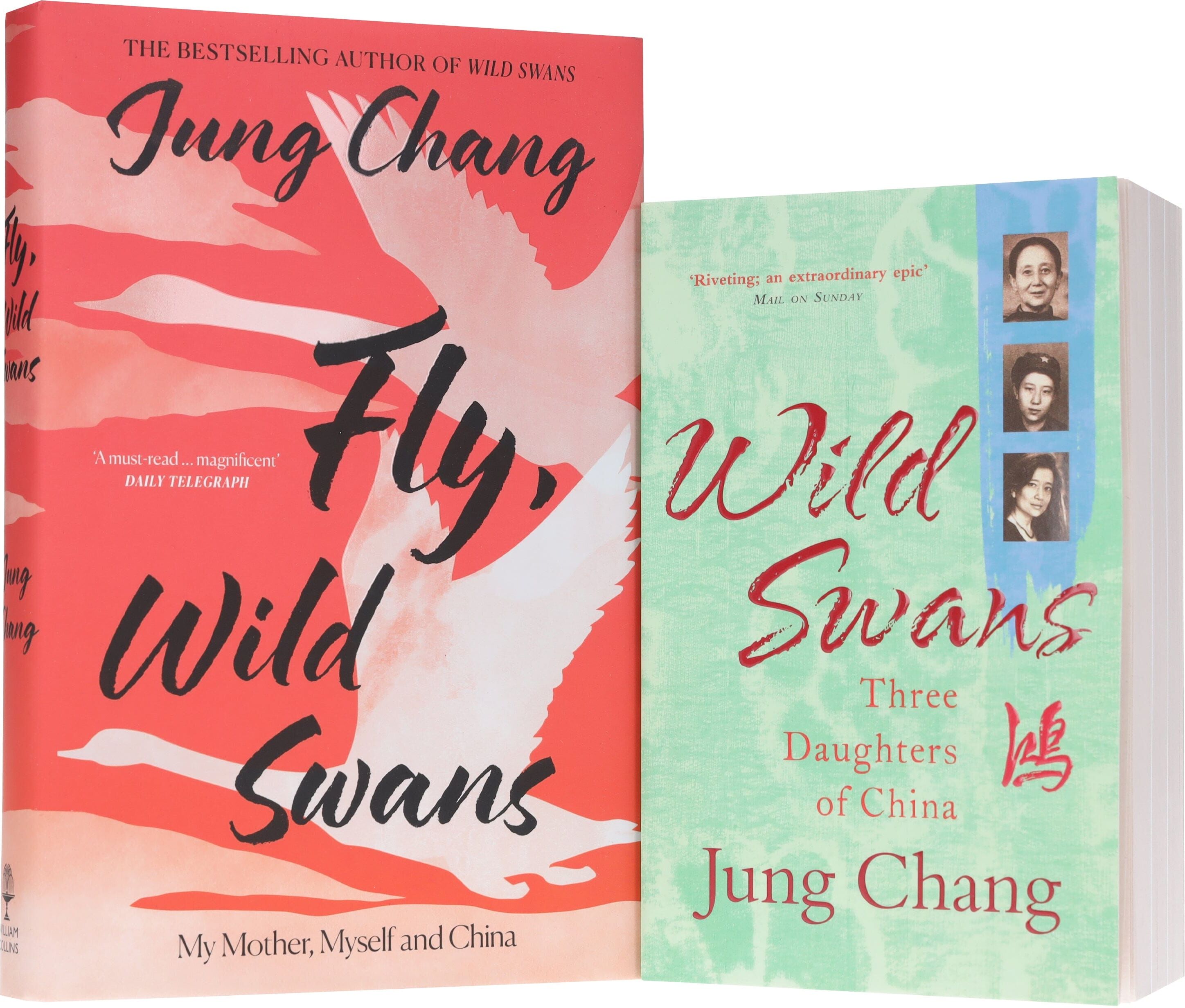
Jung Chang Collection (Wild Swans & Fly, Wild Swans) 2 Books Collection Set - Non Fiction - Paperback/Hardback HarperCollins PublishersTitles in this Set: 1. Wild Swans: Three Daughters of China 2. Fly, Wild Swans: My Mother, Myself and China (Hardback) Description: Wild Swans: Three Daughters of China Few books have had such an impact as Wild Swans: a popular bestseller which has sold more than 13 million copies and a critically acclaimed history of China; a tragic tale of nightmarish cruelty and an uplifting story of bravery and survival. Through the story of three generations of women in her own family – the grandmother given to the warlord as a concubine, the Communist mother and the daughter herself – Jung Chang reveals the epic history of China's twentieth century. Breathtaking in its scope, unforgettable in its descriptions, this is a masterpiece which is extraordinary in every way. Fly, Wild Swans: My Mother, Myself and China (Hardback) Jung Chang’s Wild Swans was a book that defined a generation, an epic personal history of Jung, her mother and grandmother – ‘three daughters of China’. The book opens in 1909 with her grandmother’s birth – and foot-binding – when China was under the last emperor, moving through Mao Zedong’s rule, especially the Cultural Revolution during which Jung’s parents were subjected to horrendous ordeals because of their courage. It finishes in 1978 when Deng Xiaoping officially ended the Mao era and started the ‘reforms’. Jung, at that propitious juncture, became one of the first Chinese to leave Communist China for the West. Nearly half a century on, China has risen from a decrepit and isolated state to a global power, the challenger to the United States’ dominant position in the world. Through those decades, Jung’s life has been intimately entwined with her native land. Her experiences dealing with the regime in those years were rich and revealing – especially so because all her books were (and are) banned. Fly, Wild Swans is the follow-up to Wild Swans and brings the story of Jung’s family – along with that of China – up to date. The book is in many ways Jung’s love letter to her mother. It is inevitably also about her grandmother and father, both of whom died tragically in the Cultural Revolution but are often recalled in this book. In fact, the past is never far away in Jung’s subsequent life. It has shaped her, and moulded the present China, and what’s more, it promises to herald the future. China is now at another watershed moment with the era of Chairman Xi Jinping greatly affecting the lives of Jung and her mother. Fly, Wild Swans is Jung’s heartfelt response to that experience, and a book filled with drama, love, curiosity and incredible history – both personal and global. Ultimately uplifting, told in Jung’s clear, honest and compelling voice, it is memoir writing at its best.29,99 £*Shipping: 2,99 £Secure redirect to the provider
-
Galerie Wallcoverings Into The Wild Trailing Leaf Non-woven Metallic Wallpaper RollPetite upward trailing leaf design on a smooth metallic ink finish. The Into the Wild collection celebrates plants and nature in new and contemporary ways creating a selection of wallpaper prints that are bold, bright and on trend.164,50 $*Shipping: 0,00 $Secure redirect to the provider



-
Can you help me with figurative language?
Of course! Figurative language includes techniques like similes, metaphors, personification, and hyperbole to create vivid imagery and convey meaning beyond the literal interpretation of words. I can provide examples and explanations of different types of figurative language to help you understand and use them effectively in your writing. Feel free to ask me any specific questions or examples you would like to learn more about! **
-
What other figurative holy objects are there?
Other figurative holy objects include the cross, which is a symbol of Christianity and represents the crucifixion of Jesus Christ. In Hinduism, the lotus flower is considered a holy symbol, representing purity and enlightenment. In Buddhism, the wheel of Dharma is a sacred symbol, representing the teachings of the Buddha and the path to enlightenment. Additionally, in Islam, the Kaaba in Mecca is considered a holy object, as it is the most sacred site in Islam and the direction of prayer for Muslims around the world. **
-
What is the difference between metaphorical and figurative?
Metaphorical language involves using a word or phrase in a non-literal way to create a comparison, often highlighting similarities between two seemingly unrelated things. On the other hand, figurative language is a broader term that encompasses various literary devices, including metaphors, similes, personification, and more. While metaphors specifically involve direct comparisons, figurative language is a more general term that encompasses any use of language beyond its literal meaning to create a deeper understanding or evoke emotions in the reader. **
-
What is the figurative language in Romeo and Juliet?
In Romeo and Juliet, there are various examples of figurative language used throughout the play. Some common types of figurative language found in the play include metaphors, similes, personification, and imagery. For example, Romeo compares Juliet to the sun in Act 2, Scene 2 when he says, "But, soft! What light through yonder window breaks? It is the east, and Juliet is the sun." This metaphor compares Juliet's beauty and brightness to the sun, emphasizing her importance to Romeo. These instances of figurative language help to enhance the emotional depth and imagery in the play. **


What does Hydra mean in a figurative sense nowadays?
In a figurative sense, Hydra is often used to describe a complex or multifaceted problem that seems to grow larger or more difficult to solve the more one tries to address it. Just like the Hydra of Greek mythology, which grew two heads for every one that was cut off, modern-day Hydras represent challenges that seem to multiply or evolve as one attempts to tackle them. The term is commonly used to convey the idea of a persistent and intricate issue that requires a comprehensive and strategic approach to overcome. **
What are the figurative language elements in this poem?
The figurative language elements in this poem include similes, such as "like a bird" and "like a flower," which compare the speaker's feelings to the natural world. There is also personification, as the speaker describes the heart as "aching" and the tears as "falling." Additionally, the use of imagery, such as "crimson petals" and "tears like rain," creates vivid mental pictures that evoke the emotions of the speaker. These figurative language elements help to convey the depth of the speaker's emotions and create a rich, sensory experience for the reader. **
Top-Angebote
Products related to Non-figurative:
-
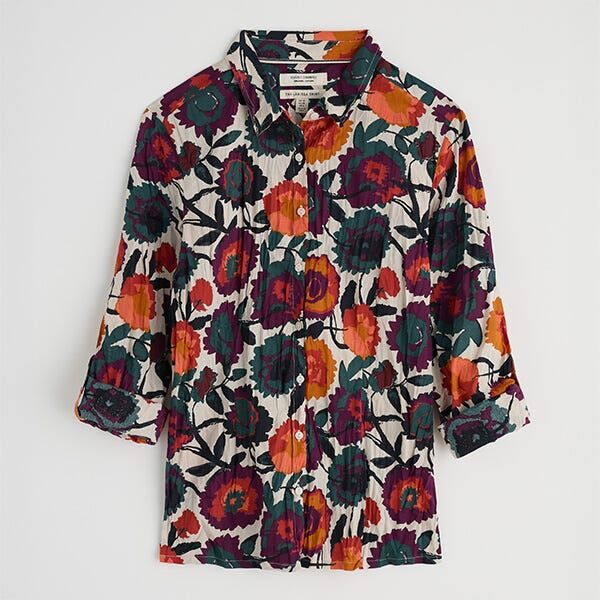
Seasalt Larissa Shirt Figurative Floral AranThe Seasalt Larissa Shirt in Figurative Floral Aran is made from the softest organic cotton with a casual crinkled appearance. The beauty of this shirt is that it doesn’t need ironing – just wash and twist to keep the crinkle. This semi-fitted style is easy-to-style and comfortable, with long sleeves and button loops so you can roll up the cuffs to change your look. Each season, it showcases some of our most-loved prints, created by our talented textile designers. Made from 100% Organic Cotton. Machine wash at 30°C.19,00 £*Shipping: 3,50 £Secure redirect to the provider
-
Sensuva Insane - liquid vibrator (125 ml)LIQUID VIBRATOR, super intense! Tingling, warmth, and exciting sensations in all the right places for both Women and Men! Why you'll love it: Universal intimate gel for both women and men Can be used both externally and internally! Non-sticky, providing a natural glide No menthol, so no irritating coolness Free from parabens and glycerin Enhances orgasm Boosts desire Nourishes and moisturizes at the same time, perfect for dryness Stimulates blood flow and heightens arousal Helps prevent tiredness, enhances pleasure, and refreshes. Heads up: Do an allergy test before use How to use: Massage a few drops onto your intimate areas. It starts with a warming sensation, leading to increasing tingles and ultimately intense vibrations. For the best effect, apply a bit more on the penis. Product specs and features: Unisex product No menthol Tingles and warms Long-lasting slickness Non-sticky Hydrates and soothes Water and silicone blend Paraben-free Glycerin-free 125 ml bottle Handy pump dispenser Ingredients: Water, Hydroxyethyl Cellulose, Dimethicone, Propanediol, Isopropyl Palmitate, Sorbitan Monostearate, Potassium Sorbate, Sodium Benzoate, Sucralose, Zanthoxylum Americanum, Zingiber Officinale (Ginger), Artificial Flavor.User manual23,86 £*Shipping: 6,10 £Secure redirect to the provider
-
Which German songs contain figurative language?
Some German songs that contain figurative language include "99 Luftballons" by Nena, which uses the metaphor of balloons to symbolize the threat of nuclear war, and "Du Hast" by Rammstein, which uses the metaphor of marriage vows to explore themes of commitment and betrayal. Additionally, "Über den Wolken" by Reinhard Mey uses the metaphor of flying above the clouds to represent a sense of freedom and escape. These songs showcase how figurative language can add depth and emotion to the lyrics, making them more impactful for listeners. **
-
How do I recognize figurative language?
Figurative language can be recognized by looking for words or phrases that are not meant to be taken literally. This can include similes, metaphors, personification, and hyperbole. Look for comparisons, exaggerations, or descriptions that go beyond the literal meaning of the words. Figurative language is often used to create vivid imagery, convey emotions, or add depth to the meaning of a text. **
-
Can you help me with figurative language?
Of course! Figurative language includes techniques like similes, metaphors, personification, and hyperbole to create vivid imagery and convey meaning beyond the literal interpretation of words. I can provide examples and explanations of different types of figurative language to help you understand and use them effectively in your writing. Feel free to ask me any specific questions or examples you would like to learn more about! **
-
What other figurative holy objects are there?
Other figurative holy objects include the cross, which is a symbol of Christianity and represents the crucifixion of Jesus Christ. In Hinduism, the lotus flower is considered a holy symbol, representing purity and enlightenment. In Buddhism, the wheel of Dharma is a sacred symbol, representing the teachings of the Buddha and the path to enlightenment. Additionally, in Islam, the Kaaba in Mecca is considered a holy object, as it is the most sacred site in Islam and the direction of prayer for Muslims around the world. **
Similar search terms for Non-figurative
-
Jung Chang Collection (Wild Swans & Fly, Wild Swans) 2 Books Collection Set - Non Fiction - Paperback/Hardback HarperCollins PublishersTitles in this Set: 1. Wild Swans: Three Daughters of China 2. Fly, Wild Swans: My Mother, Myself and China (Hardback) Description: Wild Swans: Three Daughters of China Few books have had such an impact as Wild Swans: a popular bestseller which has sold more than 13 million copies and a critically acclaimed history of China; a tragic tale of nightmarish cruelty and an uplifting story of bravery and survival. Through the story of three generations of women in her own family – the grandmother given to the warlord as a concubine, the Communist mother and the daughter herself – Jung Chang reveals the epic history of China's twentieth century. Breathtaking in its scope, unforgettable in its descriptions, this is a masterpiece which is extraordinary in every way. Fly, Wild Swans: My Mother, Myself and China (Hardback) Jung Chang’s Wild Swans was a book that defined a generation, an epic personal history of Jung, her mother and grandmother – ‘three daughters of China’. The book opens in 1909 with her grandmother’s birth – and foot-binding – when China was under the last emperor, moving through Mao Zedong’s rule, especially the Cultural Revolution during which Jung’s parents were subjected to horrendous ordeals because of their courage. It finishes in 1978 when Deng Xiaoping officially ended the Mao era and started the ‘reforms’. Jung, at that propitious juncture, became one of the first Chinese to leave Communist China for the West. Nearly half a century on, China has risen from a decrepit and isolated state to a global power, the challenger to the United States’ dominant position in the world. Through those decades, Jung’s life has been intimately entwined with her native land. Her experiences dealing with the regime in those years were rich and revealing – especially so because all her books were (and are) banned. Fly, Wild Swans is the follow-up to Wild Swans and brings the story of Jung’s family – along with that of China – up to date. The book is in many ways Jung’s love letter to her mother. It is inevitably also about her grandmother and father, both of whom died tragically in the Cultural Revolution but are often recalled in this book. In fact, the past is never far away in Jung’s subsequent life. It has shaped her, and moulded the present China, and what’s more, it promises to herald the future. China is now at another watershed moment with the era of Chairman Xi Jinping greatly affecting the lives of Jung and her mother. Fly, Wild Swans is Jung’s heartfelt response to that experience, and a book filled with drama, love, curiosity and incredible history – both personal and global. Ultimately uplifting, told in Jung’s clear, honest and compelling voice, it is memoir writing at its best.29,99 £*Shipping: 2,99 £Secure redirect to the provider
-
Galerie Wallcoverings Into The Wild Trailing Leaf Non-woven Metallic Wallpaper RollPetite upward trailing leaf design on a smooth metallic ink finish. The Into the Wild collection celebrates plants and nature in new and contemporary ways creating a selection of wallpaper prints that are bold, bright and on trend.164,50 $*Shipping: 0,00 $Secure redirect to the provider
-
Galerie Wallcoverings Into The Wild Leaf Foliage Non-woven Metallic Wallpaper RollLush tropical foliage printed with a smooth metallic ink finish. The Into the Wild collection celebrates plants and nature in new and contemporary ways creating a selection of wallpaper prints that are bold, bright and on trend.164,50 $*Shipping: 0,00 $Secure redirect to the provider
-
Galerie Wallcoverings Into The Wild Geometric Hex Non-woven Metallic Wallpaper RollContemporary geometric hex design with a smooth metallic ink finish. The Into the Wild collection celebrates plants and nature in new and contemporary ways creating a selection of wallpaper prints that are bold, bright and on trend.164,50 $*Shipping: 0,00 $Secure redirect to the provider
-
What is the difference between metaphorical and figurative?
Metaphorical language involves using a word or phrase in a non-literal way to create a comparison, often highlighting similarities between two seemingly unrelated things. On the other hand, figurative language is a broader term that encompasses various literary devices, including metaphors, similes, personification, and more. While metaphors specifically involve direct comparisons, figurative language is a more general term that encompasses any use of language beyond its literal meaning to create a deeper understanding or evoke emotions in the reader. **
-
What is the figurative language in Romeo and Juliet?
In Romeo and Juliet, there are various examples of figurative language used throughout the play. Some common types of figurative language found in the play include metaphors, similes, personification, and imagery. For example, Romeo compares Juliet to the sun in Act 2, Scene 2 when he says, "But, soft! What light through yonder window breaks? It is the east, and Juliet is the sun." This metaphor compares Juliet's beauty and brightness to the sun, emphasizing her importance to Romeo. These instances of figurative language help to enhance the emotional depth and imagery in the play. **
-
What does Hydra mean in a figurative sense nowadays?
In a figurative sense, Hydra is often used to describe a complex or multifaceted problem that seems to grow larger or more difficult to solve the more one tries to address it. Just like the Hydra of Greek mythology, which grew two heads for every one that was cut off, modern-day Hydras represent challenges that seem to multiply or evolve as one attempts to tackle them. The term is commonly used to convey the idea of a persistent and intricate issue that requires a comprehensive and strategic approach to overcome. **
-
What are the figurative language elements in this poem?
The figurative language elements in this poem include similes, such as "like a bird" and "like a flower," which compare the speaker's feelings to the natural world. There is also personification, as the speaker describes the heart as "aching" and the tears as "falling." Additionally, the use of imagery, such as "crimson petals" and "tears like rain," creates vivid mental pictures that evoke the emotions of the speaker. These figurative language elements help to convey the depth of the speaker's emotions and create a rich, sensory experience for the reader. **
* All prices are inclusive of VAT and, if applicable, plus shipping costs. The offer information is based on the details provided by the respective shop and is updated through automated processes. Real-time updates do not occur, so deviations can occur in individual cases. ** Note: Parts of this content were created by AI.